Peptides for Weight Loss & Metabolic Research
Explore our collection of weight loss research peptides and metabolic research compounds for laboratory investigations involving appetite signaling, incretin pathways, glucose regulation, lipid metabolism, energy homeostasis, adipose biology, and neuroendocrine control of feeding behavior.
At Peptide Sciences, researchers can compare single-, dual-, and triple-receptor agonist models alongside amylin analogs, growth-hormone-derived fragments, and other specialized compounds used in metabolic research.
All products in this collection are supplied strictly for scientific, analytical, identification, and laboratory research purposes.
What Are Weight Loss Research Peptides?
Weight loss research peptides are peptide compounds and related research molecules investigated for their interactions with biological pathways involved in appetite regulation, glucose metabolism, insulin signaling, gastric signaling, adipose tissue biology, lipid utilization, and cellular energy balance.
Modern metabolic research increasingly examines how several hormonal pathways interact rather than treating weight regulation as a single biological process. The Peptide Sciences catalog therefore includes compounds targeting GLP-1, GIP, glucagon, amylin, growth-hormone-derived, and other metabolic signaling pathways.
These products provide experimental tools for metabolic research and should not be interpreted as weight-loss products for personal or clinical use.
Semaglutide & GLP-1 Research
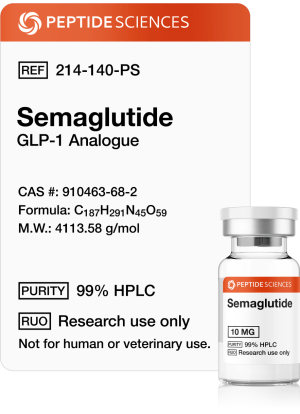
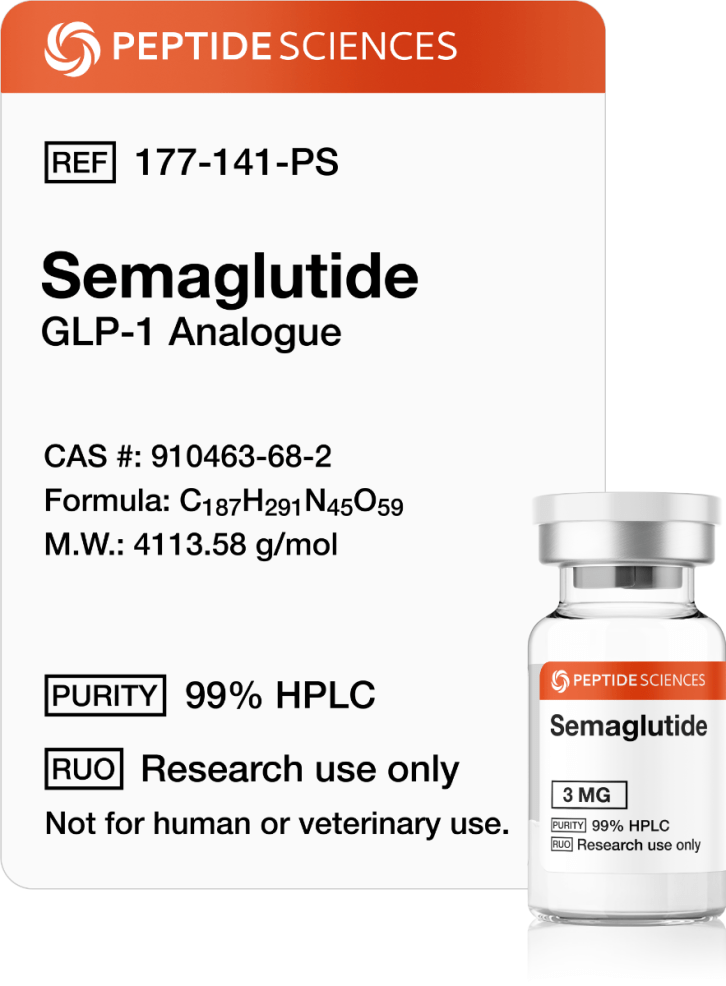
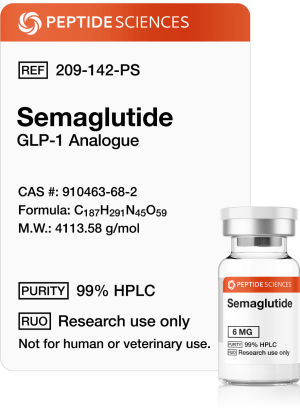
Semaglutide provides a well-established research model for studying glucagon-like peptide-1 receptor signaling.
Peptide Sciences carries Semaglutide research formats including Semaglutide 3mg, Semaglutide 6mg, and Semaglutide 10mg.
GLP-1 receptor research may investigate mechanisms involving:
- Glucose-dependent insulin signaling
- Glucagon-associated pathways
- Central appetite and satiety signaling
- Gastric-emptying mechanisms
- Gut-brain communication
- Pancreatic cellular signaling
- Energy-homeostasis pathways
Multiple concentrations allow laboratories to design comparative experiments according to their specific research protocols.
Tirzepatide & Dual GIP/GLP-1 Research
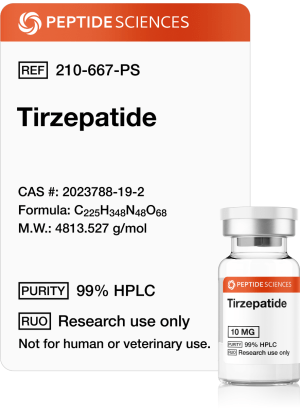
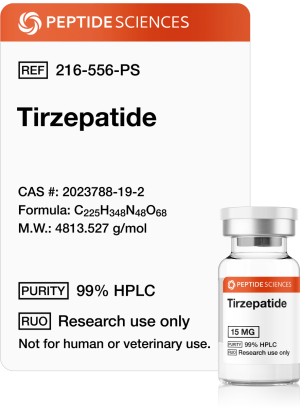
Tirzepatide expands metabolic research beyond a single incretin receptor by providing a model involving both GIP and GLP-1 receptor signaling.
Available research formats include Tirzepatide 5mg, Tirzepatide 10mg, and Tirzepatide 15mg.
Dual-receptor investigations may examine how GIP and GLP-1 signaling interact within experimental systems involving glucose regulation, pancreatic signaling, neuroendocrine appetite pathways, adipose biology, and metabolic homeostasis.
This makes Tirzepatide especially useful for comparative research alongside single-receptor GLP-1 models such as Semaglutide.
Retatrutide & Triple-Receptor Metabolic Research
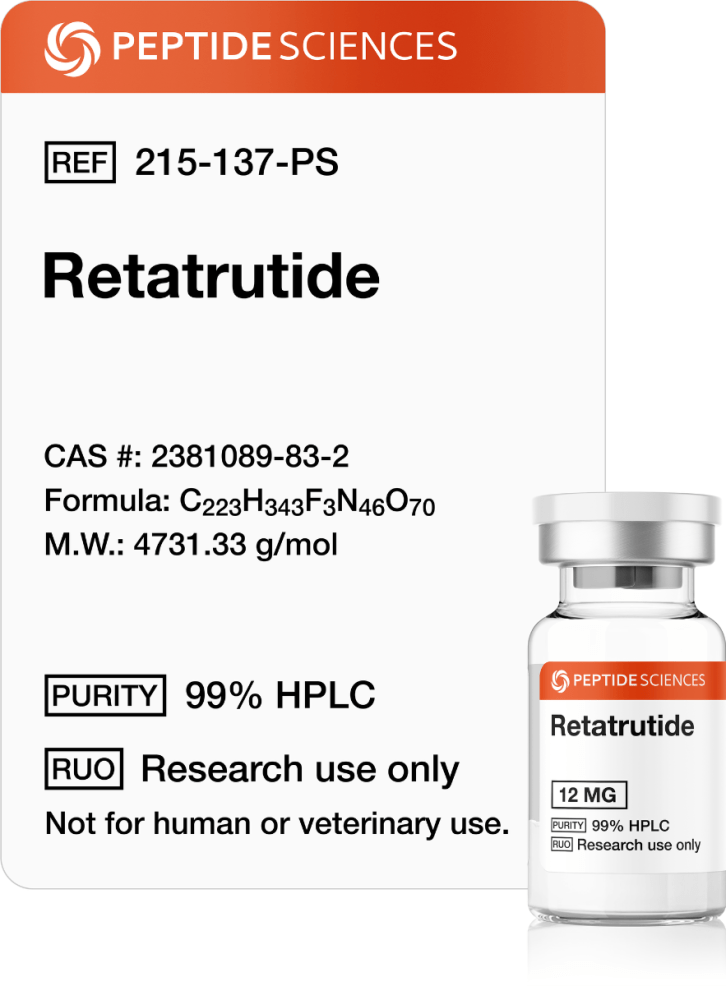
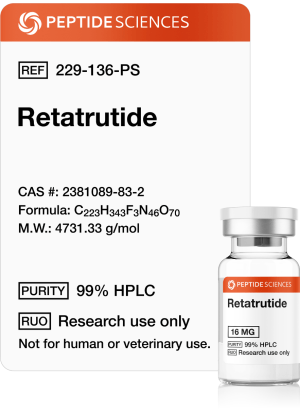
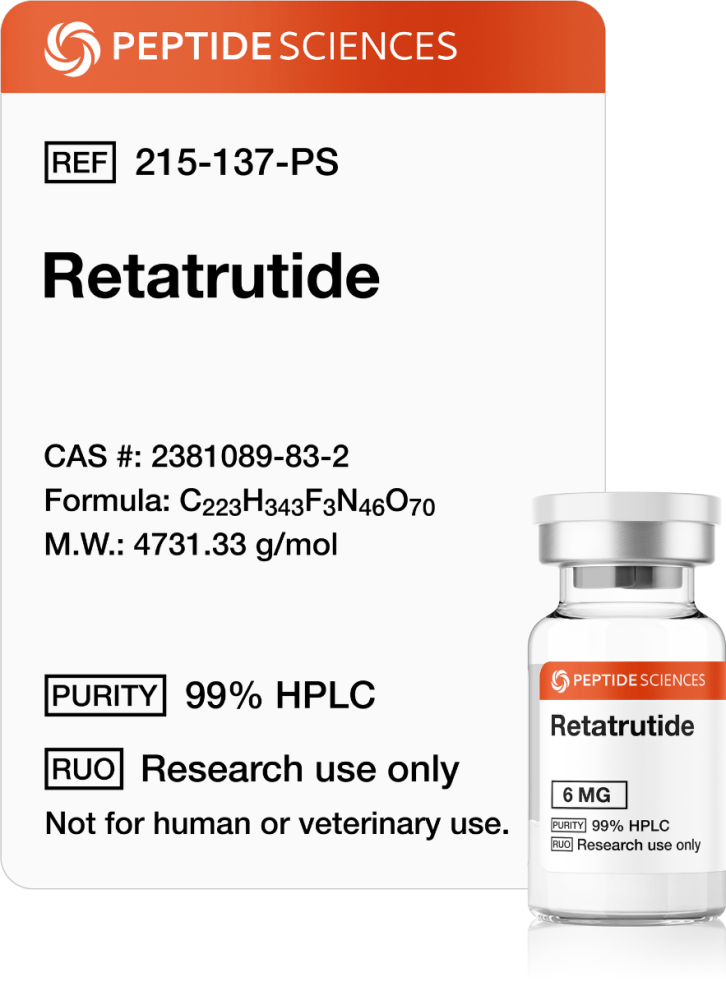
Retatrutide provides another distinct metabolic research model by combining activity associated with three receptor systems: GIP, GLP-1, and the glucagon receptor.
The catalog includes Retatrutide 6mg, Retatrutide 12mg, and Retatrutide 16mg.
Researchers may use Retatrutide in experimental investigations involving:
- GIP receptor signaling
- GLP-1 receptor signaling
- Glucagon receptor biology
- Energy-expenditure pathways
- Hepatic lipid metabolism
- Adipose tissue signaling
- Glucose homeostasis
- Multi-receptor metabolic interactions
Retatrutide is therefore more accurately described as a triple-receptor agonist research peptide rather than a “GLP-3” peptide.
Semaglutide vs Tirzepatide vs Retatrutide Research
These three peptide families provide a useful progression for comparative incretin and metabolic research.
Semaglutide primarily provides a GLP-1 receptor research model.
Tirzepatide adds GIP receptor activity to create a dual GIP/GLP-1 research model.
Retatrutide adds glucagon receptor signaling to GIP and GLP-1 activity, creating a triple-receptor experimental model.
Researchers can use these molecular differences to study receptor selectivity, pathway interactions, intracellular signaling, metabolic adaptation, and downstream cellular responses.
Cagrilintide & Amylin Research
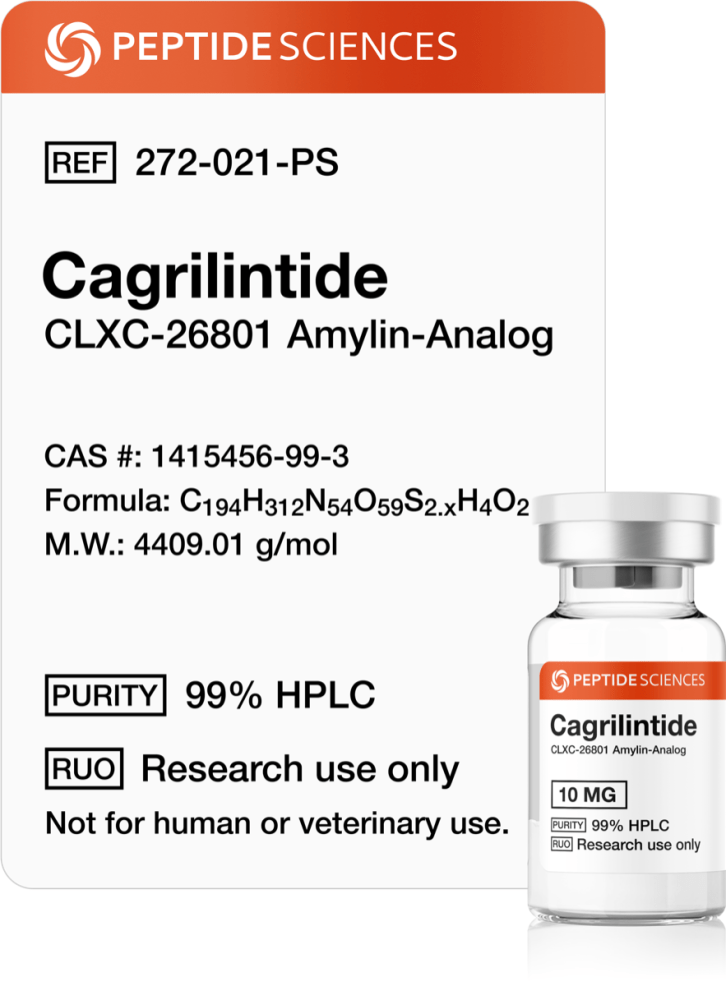
Cagrilintide 10mg provides a different approach to metabolic research because it is an amylin analog rather than a GLP-1-based peptide.
Amylin-associated laboratory research may examine calcitonin-family receptor signaling, central satiety pathways, gastric signaling, neuroendocrine communication, and interactions between amylin and incretin-associated mechanisms.
Cagrilintide therefore broadens this category beyond conventional GLP-1 research and provides an additional pathway for comparative metabolic investigations.
AOD9604 Peptide Research
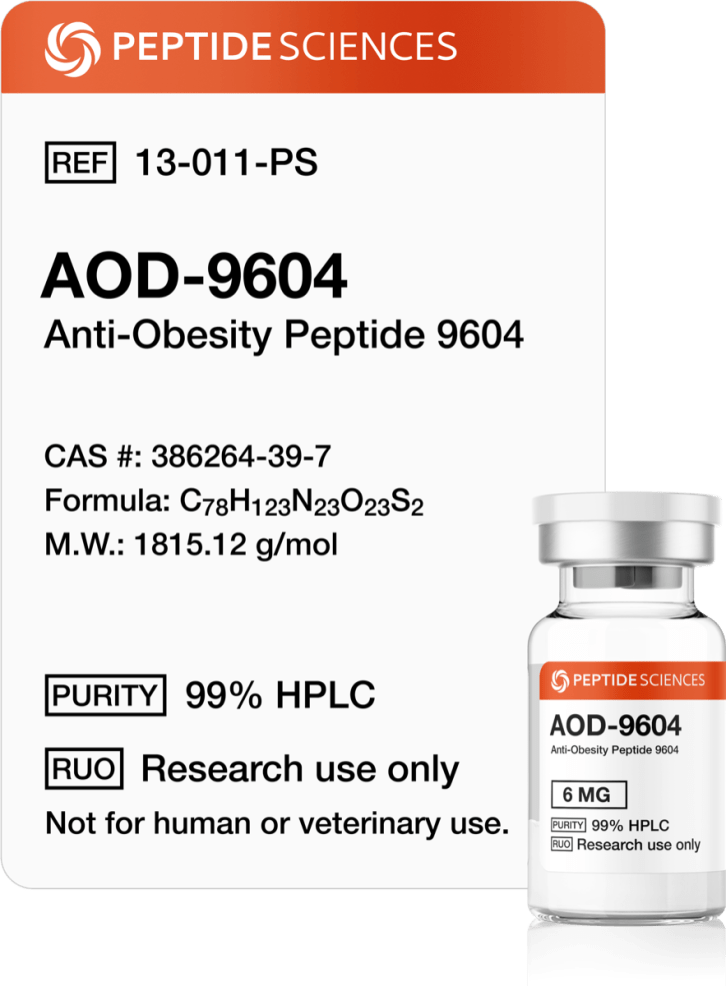
AOD9604 Peptide 6mg is a modified peptide derived from the C-terminal region associated with human growth hormone fragment research.
Rather than focusing primarily on incretin receptors, AOD9604 is investigated in experimental models involving lipid metabolism, adipocyte biology, lipolysis-associated mechanisms, lipogenesis-related pathways, and cellular energy regulation.
This makes AOD9604 particularly useful when researchers want to study metabolic pathways through a different mechanism from Semaglutide, Tirzepatide, or Retatrutide.
Tesofensine & Appetite-Signaling Research
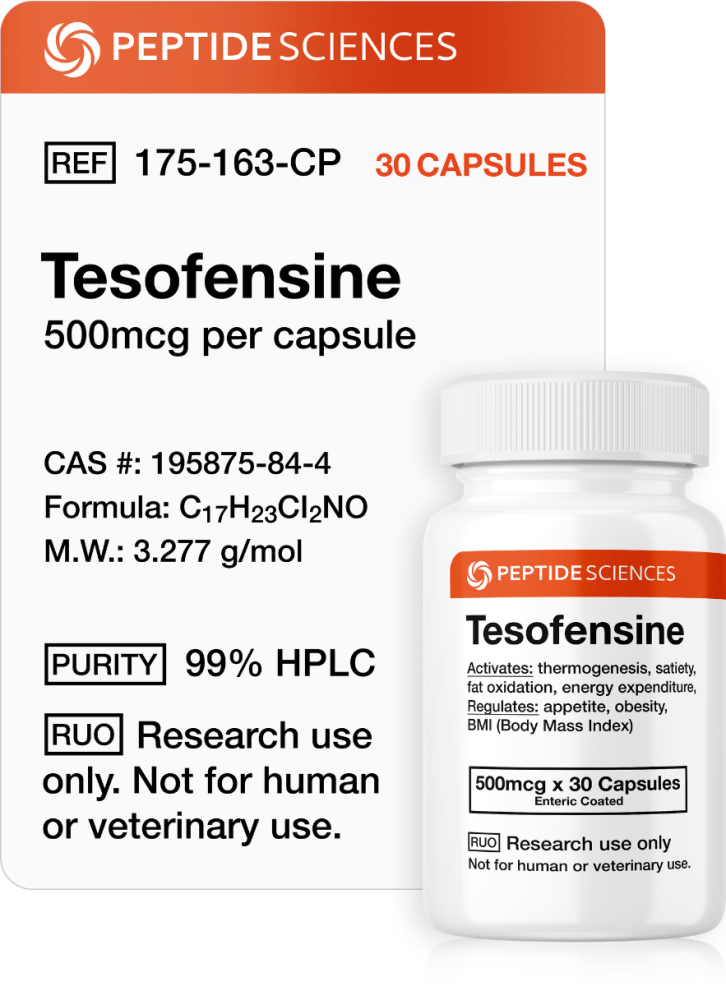
The collection also includes Tesofensine 500mcg capsules, a research compound associated with investigations into central neurotransmitter systems and appetite-related signaling.
Tesofensine should be distinguished from peptide receptor agonists because its molecular classification and research mechanism differ from GLP-1, GIP, amylin, and growth-hormone-derived peptide models.
Its inclusion allows laboratories to compare peripheral metabolic signaling with central nervous-system mechanisms associated with feeding behavior and energy regulation.
Adipotide / FTPP Research
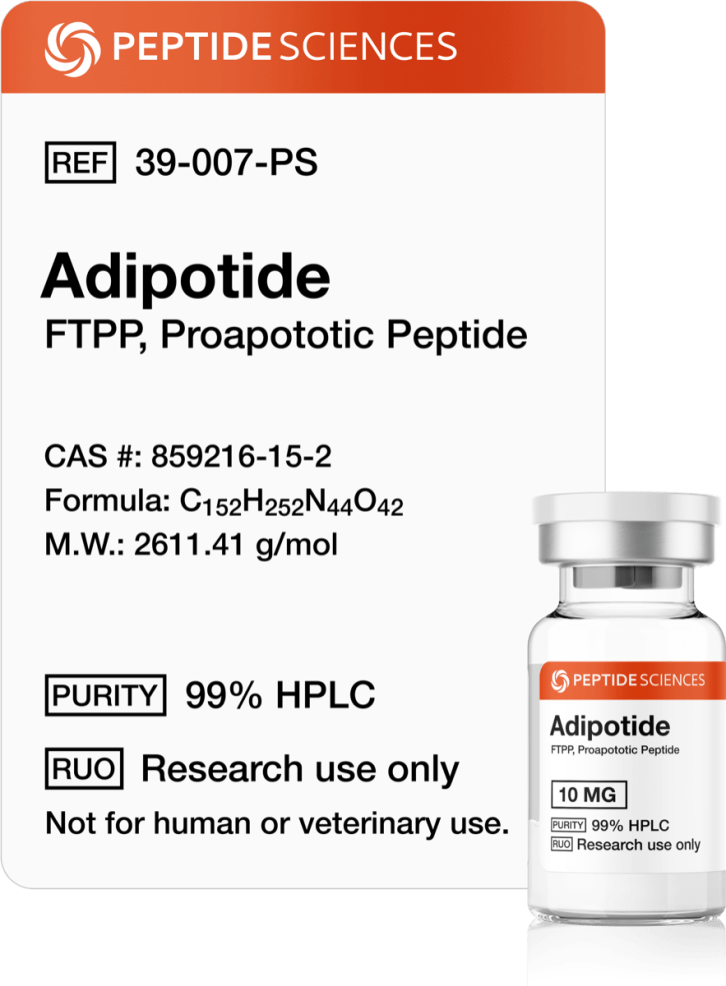
Adipotide (FTPP) 10mg represents another specialized metabolic research peptide within this category.
Adipotide has been investigated experimentally in connection with adipose-associated vascular targeting and related cellular mechanisms. Its research pathway differs substantially from incretin receptor agonists, providing laboratories with another model for studying adipose tissue biology.
Metabolic Peptide Research Applications
Depending on the compound and experimental system, research within this category may involve:
- GLP-1 receptor signaling
- GIP receptor signaling
- Glucagon receptor signaling
- Amylin-associated pathways
- Appetite and satiety signaling
- Gut-brain communication
- Glucose homeostasis
- Insulin-associated pathways
- Adipocyte biology
- Lipid metabolism
- Energy expenditure
- Hepatic metabolic signaling
- Gastric signaling
- Neuroendocrine regulation
- Multi-receptor pharmacology
Single, Dual & Triple Receptor Research Models
One of the strengths of this category is the ability to compare metabolic compounds according to receptor architecture.
A single GLP-1 research model can be compared with dual GIP/GLP-1 signaling and triple GIP/GLP-1/glucagon receptor activation. Researchers can then evaluate differences in receptor engagement, intracellular signaling, pathway crosstalk, cellular response, and metabolic regulation.
Other compounds such as Cagrilintide, AOD9604, Tesofensine, and Adipotide provide additional pathways that extend metabolic research beyond incretin biology.
Choosing a Metabolic Research Peptide
The appropriate compound depends on the biological question being investigated.
Researchers examining GLP-1 signaling may select Semaglutide, while dual-receptor studies may require Tirzepatide. Triple-receptor experiments may involve Retatrutide, while amylin signaling can be studied with Cagrilintide.
AOD9604 provides a different model for lipid-associated research, while other compounds in this collection support additional experimental approaches to appetite, adipose, and energy-homeostasis research.
Researchers should evaluate molecular structure, receptor profile, concentration, formulation, available analytical documentation, relevant scientific literature, storage requirements, and appropriate experimental controls before selecting a compound.
Why Choose Peptide Sciences for Metabolic Research?
Peptide Sciences organizes metabolic research compounds within a dedicated collection that spans several distinct molecular pathways rather than relying on a single class of peptides.
This gives laboratories the ability to compare GLP-1, GIP, glucagon, amylin, growth-hormone-derived, adipose-associated, and neuroendocrine research models within one structured catalog.
Browse all Peptide Sciences research peptides to explore additional peptide categories, capsules, research blends, growth hormone peptides, and specialized laboratory compounds.
Research Use Only: All weight-loss and metabolic research peptides and compounds in this category are intended strictly for laboratory, analytical, identification, and scientific research. They are not intended for human or animal consumption, weight-loss treatment, appetite suppression, body-weight management, medical use, diagnosis, prevention of disease, or therapeutic application.