Peptides for Sleep Cycle & Circadian Rhythm Research
Explore our collection of sleep research peptides for laboratory investigations involving sleep-cycle regulation, central nervous system signaling, neuroendocrine communication, stress-response pathways, neuronal signaling, and biological mechanisms associated with circadian and sleep-related research.
At Peptide Sciences, researchers can compare DSIP with stabilized Semax and Selank analogs for controlled neuroscience, neuroregulatory, and sleep-associated laboratory investigations.
All compounds in this category are supplied strictly for scientific, analytical, identification, and laboratory research purposes.
What Are Sleep Research Peptides?
Peptides for sleep research are peptide compounds investigated for their interactions with biological mechanisms associated with sleep architecture, central nervous system signaling, neuroendocrine regulation, neurotransmitter pathways, stress adaptation, and circadian-associated processes.
Sleep is controlled through a complex interaction of neural circuits, neurotransmitters, hormones, environmental signals, and internal biological clocks. Researchers can use peptide models to examine specific components of these systems within controlled experimental environments.
The compounds within this collection have different structures and molecular research targets and should not be considered interchangeable simply because they are grouped within a sleep-related research category.
DSIP Peptide for Sleep Research
DSIP 5mg, or Delta Sleep-Inducing Peptide, is the primary sleep-focused peptide within this collection.
DSIP is a neuropeptide investigated in experimental models involving sleep-associated nervous-system activity, neuroendocrine regulation, stress-response mechanisms, and physiological signaling.
Laboratory research involving DSIP may examine mechanisms associated with:
- Sleep-cycle regulation
- Slow-wave sleep research
- Central nervous system signaling
- Neuroendocrine pathways
- Stress-associated biological responses
- Hormonal signaling
- Neuropeptide communication
These research applications do not establish that DSIP induces sleep or treats sleep disorders in humans.
DSIP & Sleep Architecture Research
Sleep architecture refers to the organization and progression of different sleep stages across a sleep period. Researchers studying DSIP may investigate how neuropeptide signaling correlates with electrophysiological, neurochemical, or endocrine markers associated with these stages.
DSIP also provides a model for studying how sleep-related signaling intersects with broader physiological systems, including endocrine regulation and cellular responses to experimental stress.
N-Acetyl Semax Amidate Research
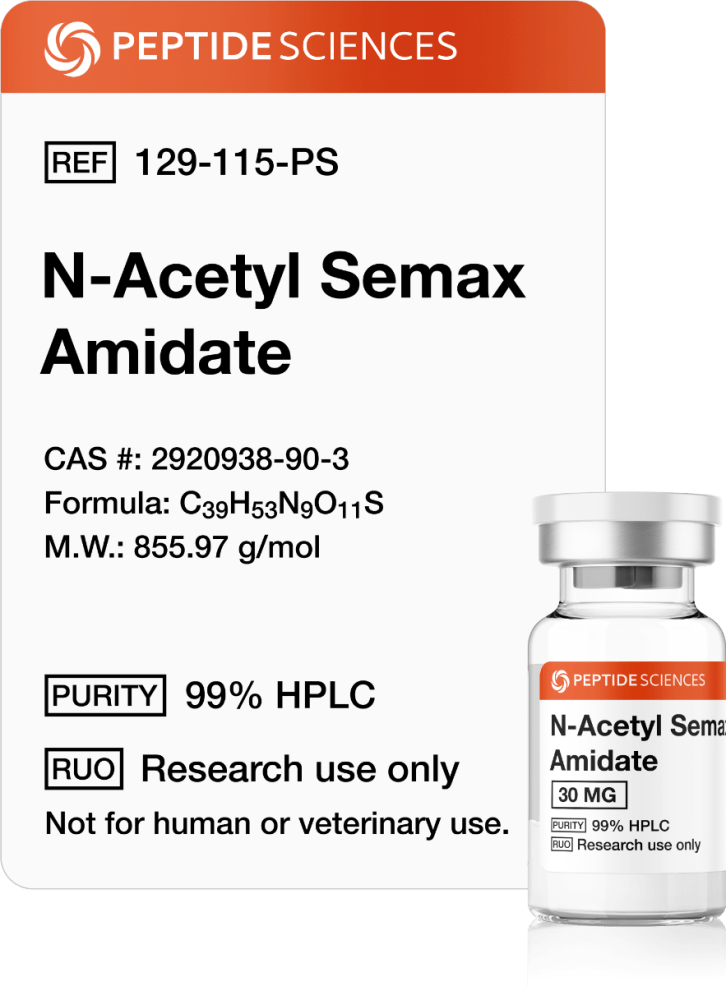
N-Acetyl Semax Amidate 30mg is a stabilized Semax analog included within the Peptides for Sleep category.
Unlike DSIP, its primary research focus is not direct sleep induction. It is more appropriately investigated in neuroscience models involving neurotrophic signaling, neuronal adaptation, synaptic plasticity, stress responses, and central nervous system regulation.
Its inclusion within this category provides researchers with an opportunity to investigate the relationship between neuronal adaptation, stress-associated signaling, and biological processes that may interact with sleep and recovery models.
N-Acetyl Selank Amidate Research
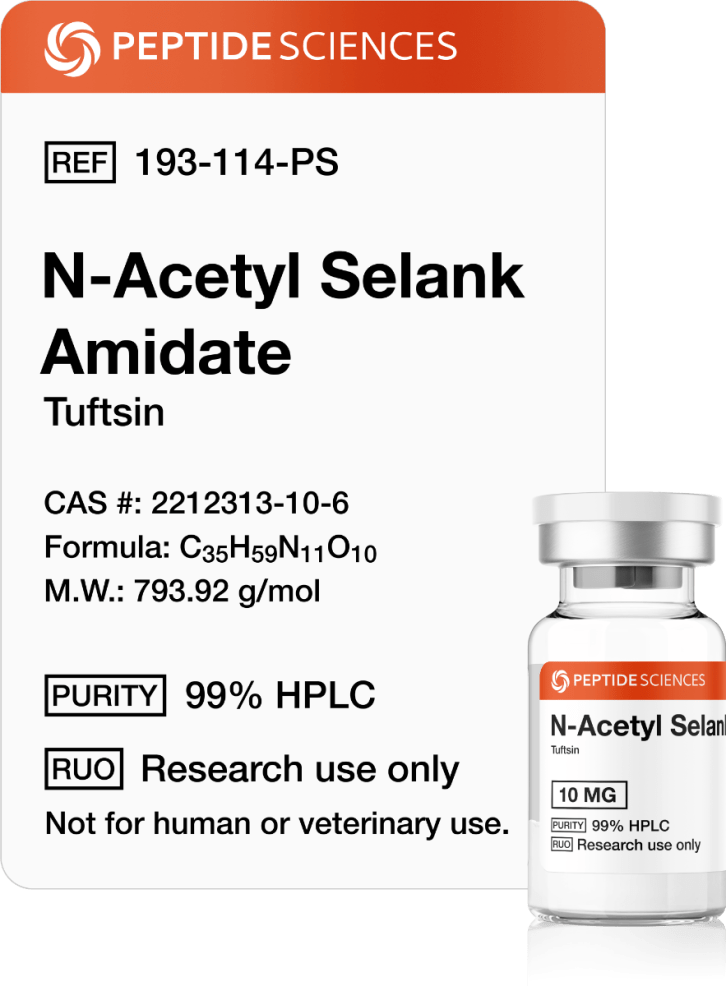
N-Acetyl Selank Amidate 10mg is a stabilized Selank analog used in experimental neurobiology and neuroimmune research.
Laboratory studies may examine GABA-associated pathways, neuropeptide signaling, neurotransmitter regulation, BDNF-associated mechanisms, synaptic communication, gene expression, and physiological responses to experimental stress.
Because inhibitory neurotransmitter systems and stress-response pathways can intersect with sleep-related neuroscience, N-Acetyl Selank Amidate provides a complementary research model within this category.
DSIP vs Semax & Selank Analogs
The three compounds within this category provide distinctly different experimental approaches.
DSIP is the most directly associated with sleep-cycle and sleep-architecture research.
N-Acetyl Semax Amidate is more closely associated with neurotrophic signaling, neuronal adaptation, and synaptic research.
N-Acetyl Selank Amidate provides a model for neuroimmune, GABAergic, neurotransmitter, and stress-response investigations.
This distinction is important because sleep research involves more than a single molecular pathway. Comparing different neuropeptide systems may help researchers examine how sleep-associated biology interacts with stress, neurotransmission, neuronal plasticity, and endocrine regulation.
Circadian Rhythm & Neuroendocrine Research
Circadian rhythms are approximately 24-hour biological cycles coordinated through molecular clocks and environmental signals. These rhythms influence multiple physiological and cellular processes.
Within sleep-related laboratory research, investigators may examine interactions involving:
- Circadian-associated signaling
- Sleep and wake-cycle regulation
- Neuroendocrine communication
- Neurotransmitter pathways
- Stress-response signaling
- Synaptic activity
- Hormonal rhythmicity
- Central nervous system regulation
Peptide-based research provides one approach to examining how selected signaling systems interact with these broader biological networks.
Sleep Peptide Research Applications
Depending on the peptide and experimental model, research within this category may involve:
- Sleep architecture research
- Slow-wave sleep-associated mechanisms
- Circadian-related signaling
- Central nervous system biology
- Neuroendocrine regulation
- GABA-associated signaling
- Neurotransmitter research
- Stress adaptation
- BDNF-associated pathways
- Synaptic plasticity
- Neuropeptide signaling
- Gene-expression studies
Related Circadian & Longevity Peptide Research
Some compounds outside this category are also investigated in connection with circadian biology. For example, Epithalon research includes pineal and circadian-associated mechanisms, but Epithalon belongs primarily within the Peptide Sciences anti-aging and longevity research collection.
Keeping those products separated helps the Sleep Peptides category remain focused on sleep and neuroscience while the Anti Aging Peptides category retains authority around Epithalon, telomere, cellular-aging, and longevity-related searches.
Why Choose Peptide Sciences for Sleep Research Peptides?
Peptide Sciences organizes sleep-associated research peptides into a focused collection so researchers can compare compounds involved in distinct areas of neurobiology, including sleep-cycle signaling, stress adaptation, neurotrophic mechanisms, and neurotransmitter-associated pathways.
Researchers should review each product’s sequence, formulation, concentration, available analytical documentation, storage information, relevant scientific literature, and appropriate laboratory controls before incorporating it into an experimental protocol.
Browse all Peptide Sciences research peptides to explore additional cognitive peptides, bioregulators, anti-aging research compounds, growth hormone peptides, and specialized laboratory materials.
Research Use Only: All sleep research peptides listed in this category are intended strictly for laboratory, analytical, identification, and scientific research. They are not intended for human or animal consumption, sleep enhancement, treatment of insomnia or other sleep disorders, diagnosis, prevention of disease, or therapeutic use.