Peptide Capsules & Encapsulated Compounds for Laboratory Research
Explore our collection of peptide capsules and encapsulated research compounds developed for controlled laboratory and analytical investigations. This category brings together capsule-format peptides, peptide-containing formulations, metabolic research compounds, and other specialized molecules supplied in clearly defined research formats.
At Peptide Sciences, researchers can compare several encapsulated formulations covering metabolic signaling, cellular bioenergetics, peptide interaction studies, oxidative biology, and other specialized areas of scientific research.
All products in this category are intended strictly for laboratory, analytical, identification, and scientific research purposes.
What Are Peptide Capsules & Encapsulated Research Compounds?
Peptide capsules provide an alternative research format to lyophilized vials, topical compounds, and other laboratory preparations. Depending on the product, an encapsulated formulation may contain a peptide, peptide derivative, small molecule, or combination of multiple research compounds.
The capsule format can be useful for laboratories requiring clearly identified concentrations and standardized product formats for experimental comparisons. However, researchers should evaluate every compound independently because the molecular characteristics, stability, mechanism, and analytical requirements can vary substantially between products.
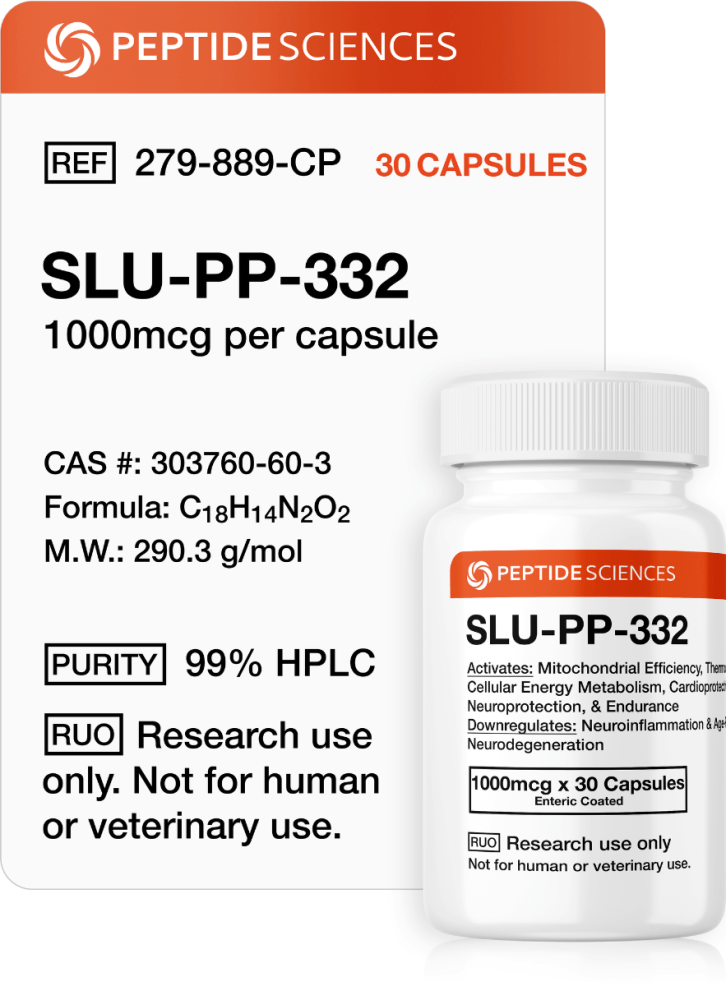
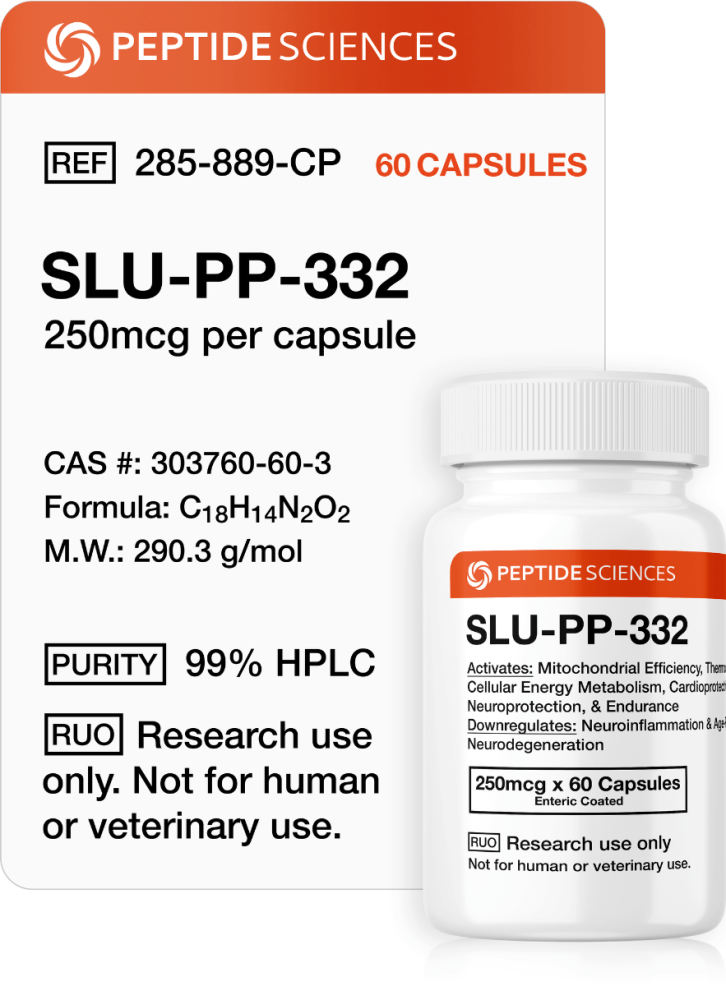
SLU-PP-332 Research Capsules
Researchers investigating cellular energy regulation and estrogen-related receptor signaling can explore our SLU-PP-332 capsule formulations.
Available formats include SLU-PP-332 250mcg × 60 Capsules and SLU-PP-332 1000mcg × 30 Capsules.
SLU-PP-332 is a small-molecule research compound rather than a peptide. Laboratory investigations may examine ERR-associated signaling, mitochondrial biology, cellular energy pathways, oxidative metabolism, and related mechanisms.
Orforglipron Research Capsules
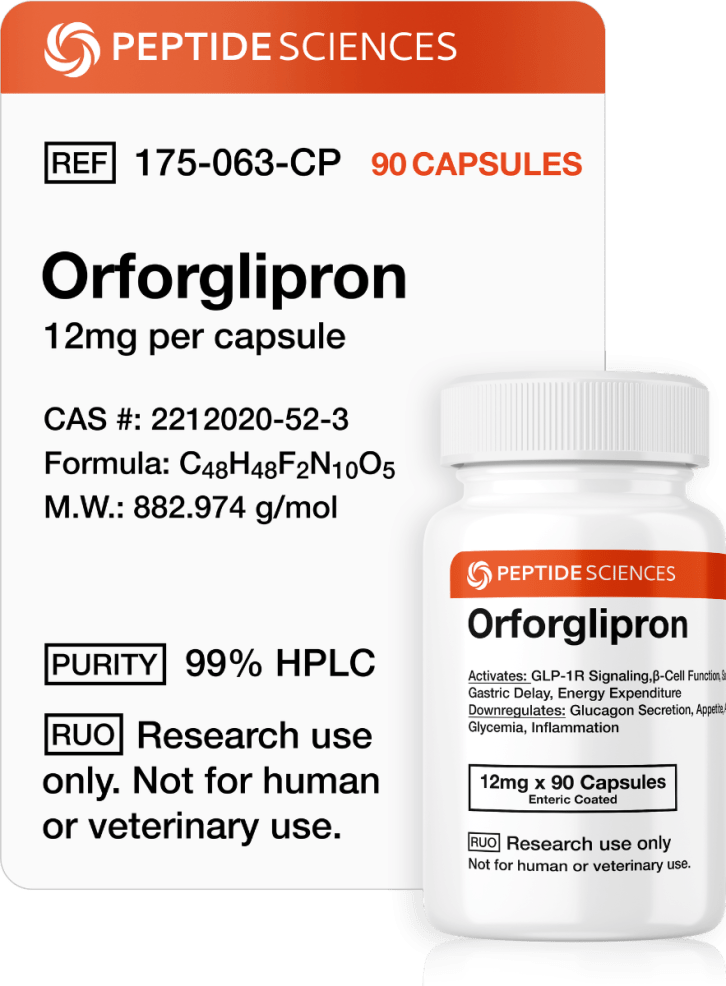
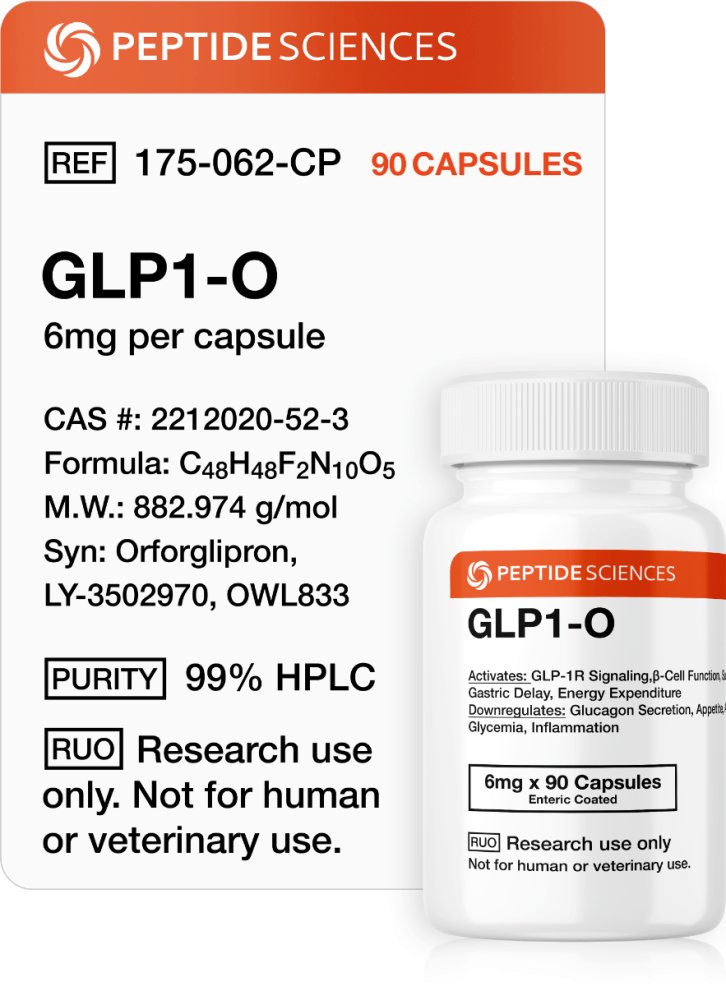
The category also includes Orforglipron 6mg × 90 Capsules and Orforglipron 12mg × 90 Capsules.
Orforglipron is another non-peptide research compound. It is studied as a small-molecule GLP-1 receptor agonist, making it relevant to laboratory investigations involving receptor pharmacology, incretin-associated signaling, metabolic pathways, and cellular responses connected with GLP-1 receptor activation.
Stable BPC-157 & Research Blends in Capsules
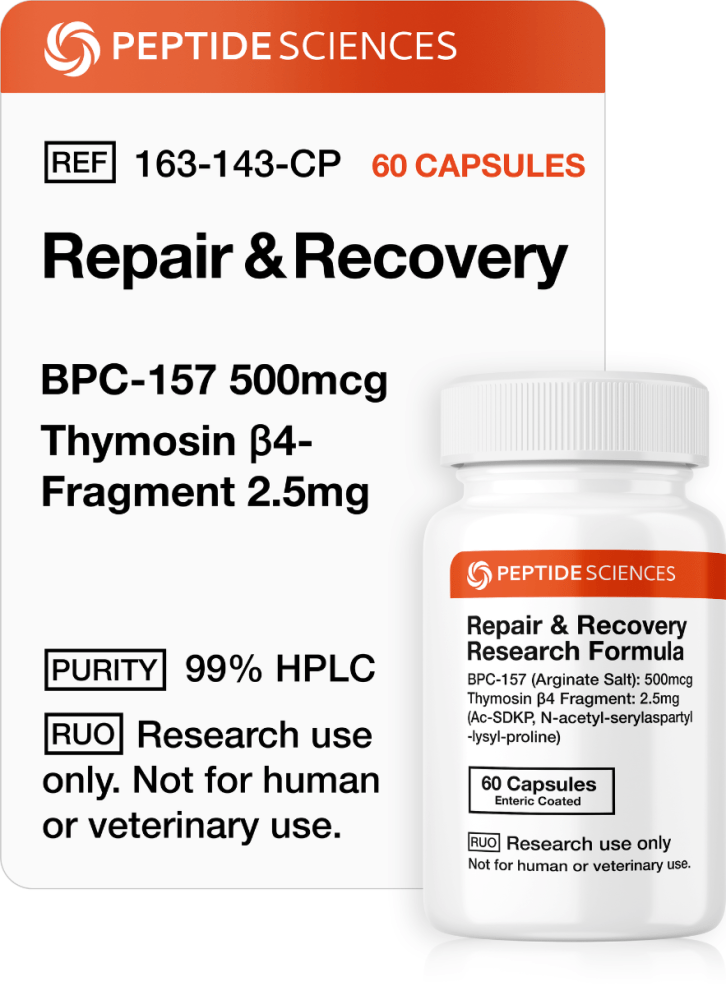
Researchers interested in encapsulated peptide-containing formulations can explore the Repair and Recovery 60-Capsule Research Formulation, containing Stable BPC-157 Arginate and a Thymosin Beta-4 fragment.
This type of multi-compound formulation provides a different experimental model from an individual peptide because researchers can investigate the behavior of several components within the same formulation.
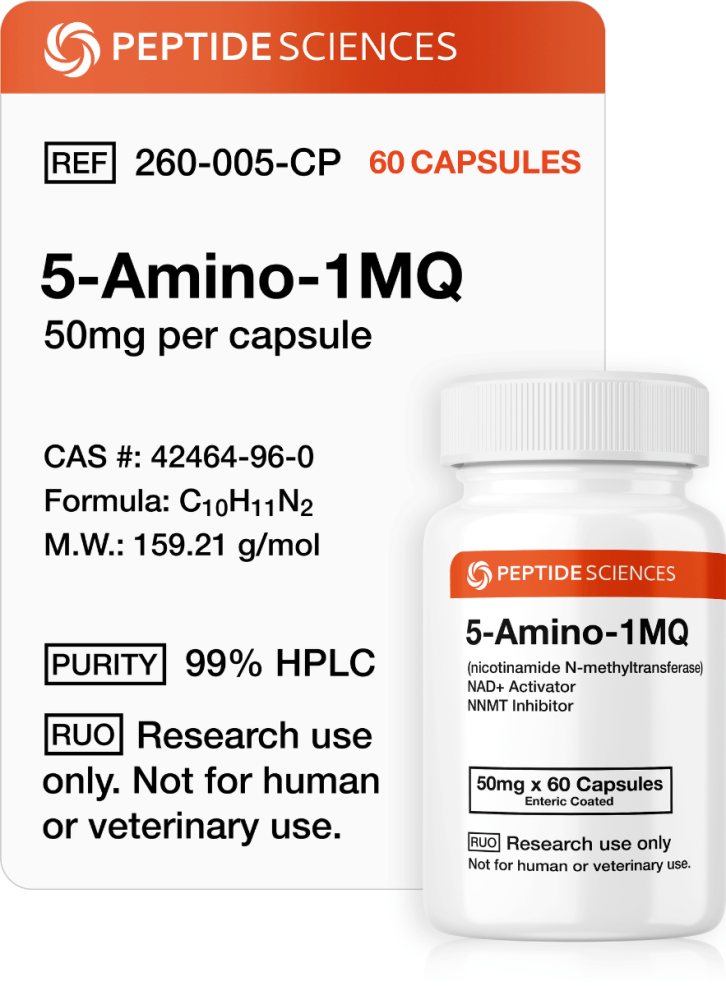
5-Amino-1MQ Research Capsules
5-Amino-1MQ 50mg × 60 Capsules provides researchers with an encapsulated small-molecule compound associated with investigations into NNMT-related pathways, cellular metabolism, NAD-associated biology, and biochemical energy regulation.
Because 5-Amino-1MQ is not itself a peptide, it should be described as an encapsulated research compound rather than a peptide capsule when discussing its molecular classification.
Methylene Blue Research Capsules
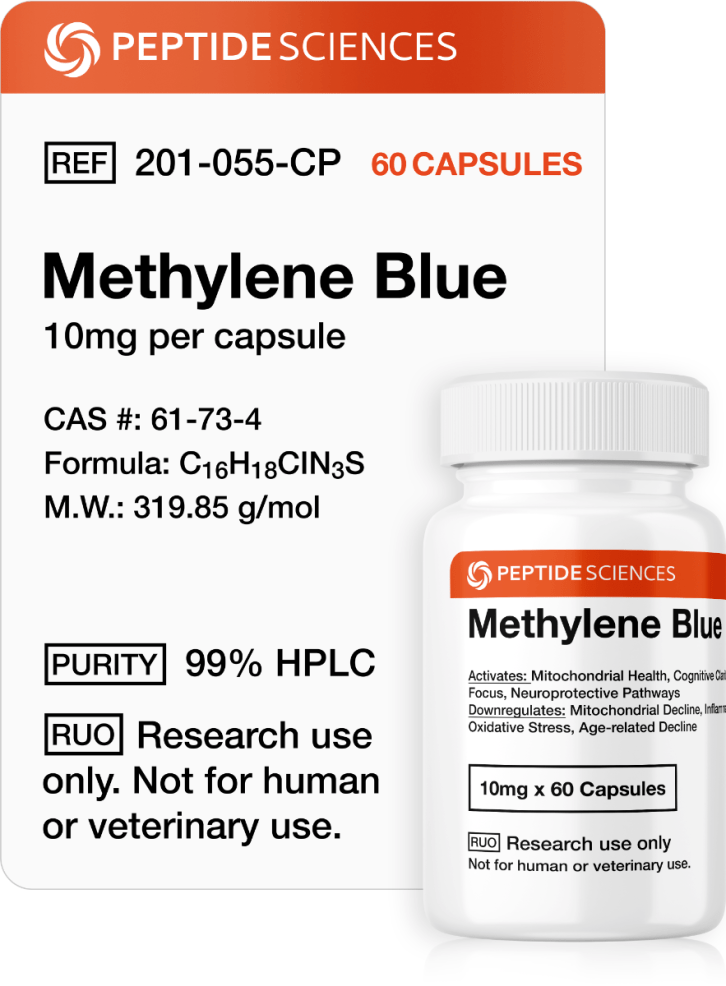
The collection also contains Methylene Blue 10mg × 60 Capsules.
Methylene Blue is a chemically distinct research compound that may be investigated in experimental models involving redox chemistry, electron-transfer mechanisms, mitochondrial processes, cellular metabolism, and related biochemical pathways.
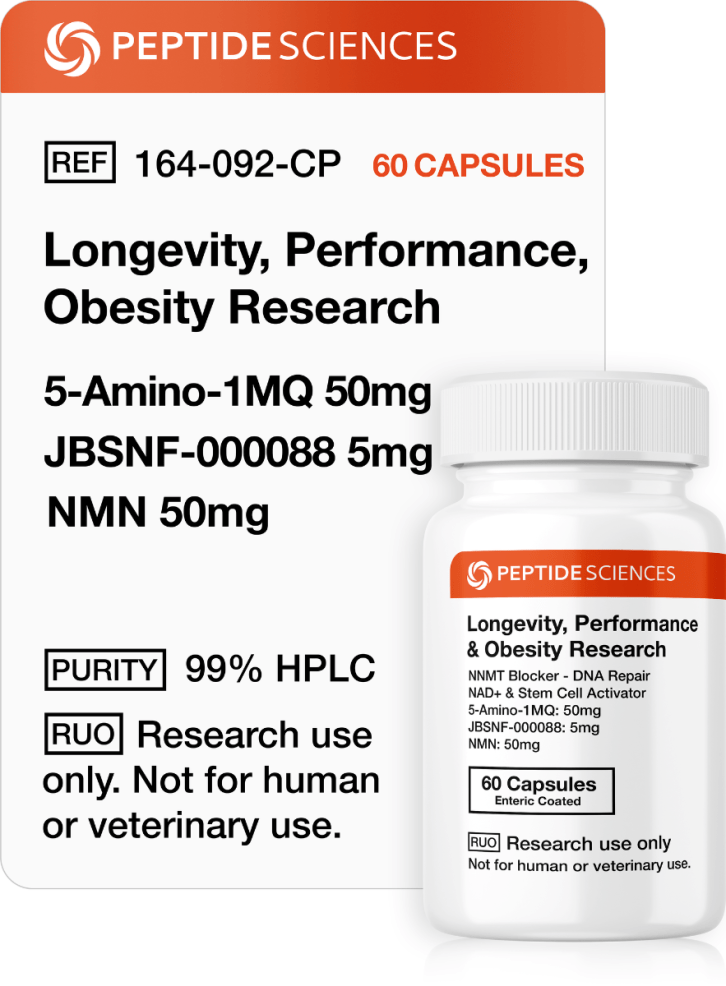
Multi-Pathway Research Capsule Formulations
Researchers requiring a broader multi-compound model can also explore the Longevity, Performance & Obesity Research 60-Capsule Formulation.
Complex formulations should be evaluated differently from single-compound research materials because multiple ingredients may contribute to observed experimental responses. Appropriate controls and analytical methods are therefore particularly important when studying multi-component products.
Research Applications for Encapsulated Compounds
Depending on the individual product, research applications within this category may include:
- Metabolic signaling research
- GLP-1 receptor pharmacology
- ERR-associated pathways
- Mitochondrial biology
- Cellular bioenergetics
- Peptide interaction studies
- Redox and electron-transfer research
- NNMT-associated signaling
- NAD-related cellular pathways
- Multi-compound formulation studies
- Comparative concentration research
Peptide Capsules vs Lyophilized Research Peptides
Capsules and lyophilized peptides represent different research formats and should not automatically be treated as interchangeable.
Lyophilized materials are commonly selected when researchers need to prepare controlled laboratory solutions, while encapsulated products provide predetermined formulation formats that may be useful in other types of experimental design.
The appropriate format depends on the compound, hypothesis, analytical method, stability requirements, concentration requirements, and research protocol.
Why Choose Peptide Sciences for Research Capsules?
Peptide Sciences organizes capsule-format compounds into a dedicated collection so researchers can easily distinguish these products from lyophilized peptides, topical formulations, and other research materials.
Before selecting a capsule product, researchers should review its individual molecular classification, listed concentration, formulation, available analytical documentation, storage information, and relevant scientific literature.
Browse all Peptide Sciences research products to compare capsule formulations with individual peptides, blends, topical compounds, and other laboratory research materials.
Research Use Only: All peptide capsules and encapsulated research compounds listed in this category are intended strictly for laboratory, analytical, identification, and scientific research. They are not intended for human or animal consumption, supplementation, medical use, diagnosis, treatment, prevention of disease, or therapeutic use.
Peptide Capsules
Repair and Recovery (60 Capsules) (Stable BPC-157 Arginate, Thymosin Beta-4 Fragment)