Growth Hormone Peptides for Endocrine & GH Signaling Research
Explore our extensive collection of growth hormone peptides for laboratory research involving growth hormone release, pituitary signaling, GHRH and ghrelin receptor pathways, IGF-1 regulation, endocrine feedback mechanisms, and the broader somatotropic axis.
At Peptide Sciences, researchers can compare individual growth hormone research peptides with specialized multi-peptide blends designed for controlled endocrine and biochemical investigations.
All products in this category are supplied strictly for scientific, analytical, and laboratory research purposes.
What Are Growth Hormone Peptides?
Growth hormone peptides are compounds studied for their interactions with biological pathways involved in growth hormone synthesis, secretion, receptor signaling, and downstream endocrine activity.
Depending on the peptide, laboratory research may focus on the growth hormone-releasing hormone receptor, growth hormone secretagogue receptor, pituitary somatotroph activity, intracellular signaling cascades, pulsatile hormone release, or downstream interactions with insulin-like growth factor-1.
Because individual peptides interact with different components of the endocrine system, researchers may investigate them separately or use peptide blends to examine receptor cooperation and signaling interactions.
Sermorelin Peptides for GHRH Research
Sermorelin is one of the major peptide groups available within our Growth Hormone Peptides category. Sermorelin represents the biologically active 1-29 amino-acid fragment of growth hormone-releasing hormone and is commonly investigated in laboratory models involving pituitary signaling and the GHRH receptor.
Researchers can compare several concentrations, including Sermorelin 2mg, Sermorelin 5mg, and Sermorelin 15mg.
These formulations allow researchers to investigate GHRH-receptor activation, pituitary somatotroph signaling, cyclic AMP-associated pathways, endocrine feedback, and downstream GH/IGF-1 axis activity under controlled experimental conditions.
Tesamorelin Research Peptides
Tesamorelin is another important GHRH-related research compound represented throughout the Peptide Sciences catalog.
Available research formats include Tesamorelin 5mg and Tesamorelin 2mg – 10 Vial Kit.
Tesamorelin provides a distinct experimental model for research involving GHRH receptor signaling, growth hormone secretion, IGF-1-associated pathways, pituitary function, and metabolic endocrine regulation.
Ipamorelin & Growth Hormone Secretagogue Research
Growth hormone secretagogues provide researchers with another approach to investigating the somatotropic axis. Rather than focusing exclusively on the GHRH receptor, compounds such as Ipamorelin and related peptides are studied in connection with the growth hormone secretagogue receptor and ghrelin-associated signaling.
This makes secretagogues particularly relevant to comparative research examining how different receptor pathways influence pituitary growth hormone signaling.
CJC-1295 No DAC & Modified GRF Research
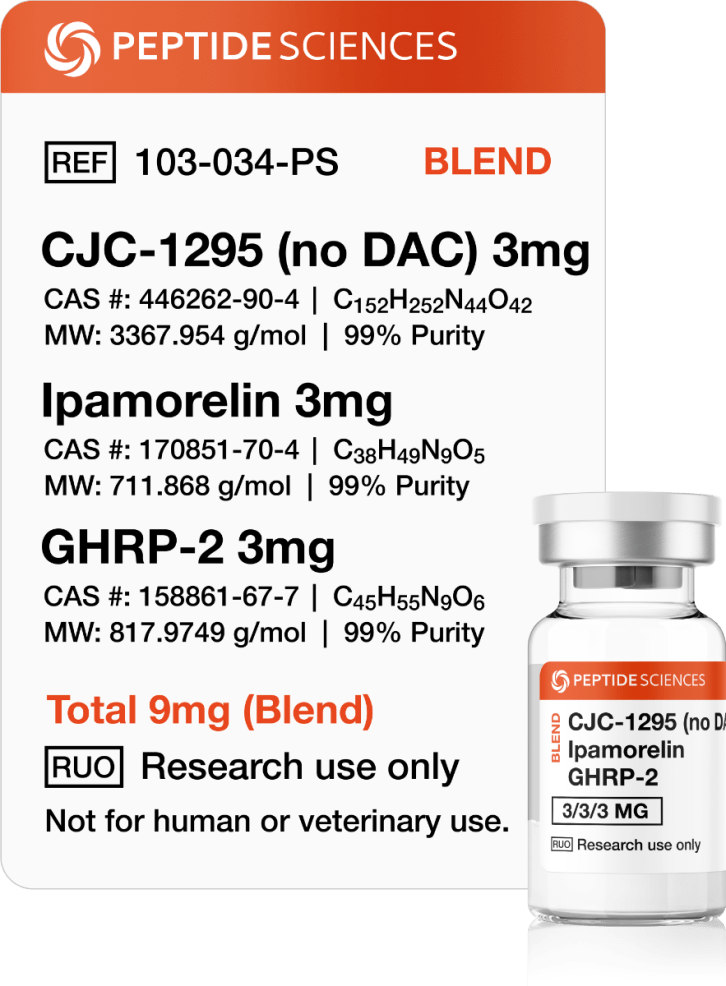
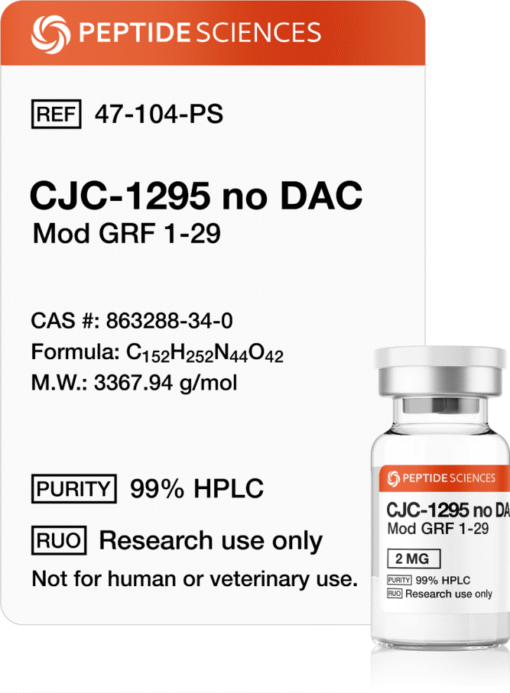
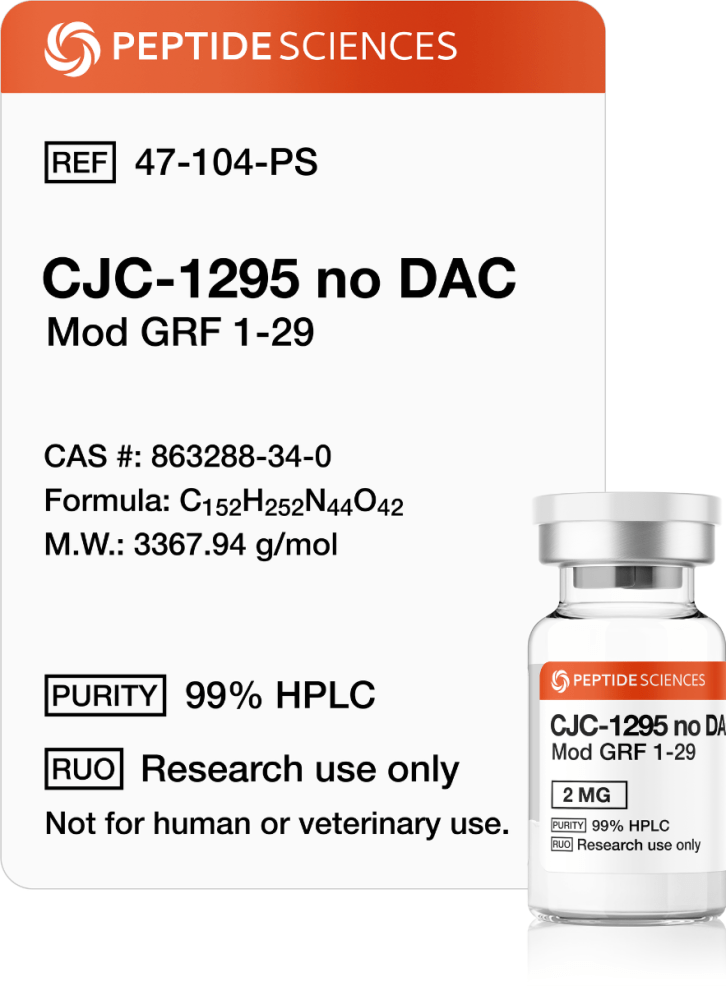
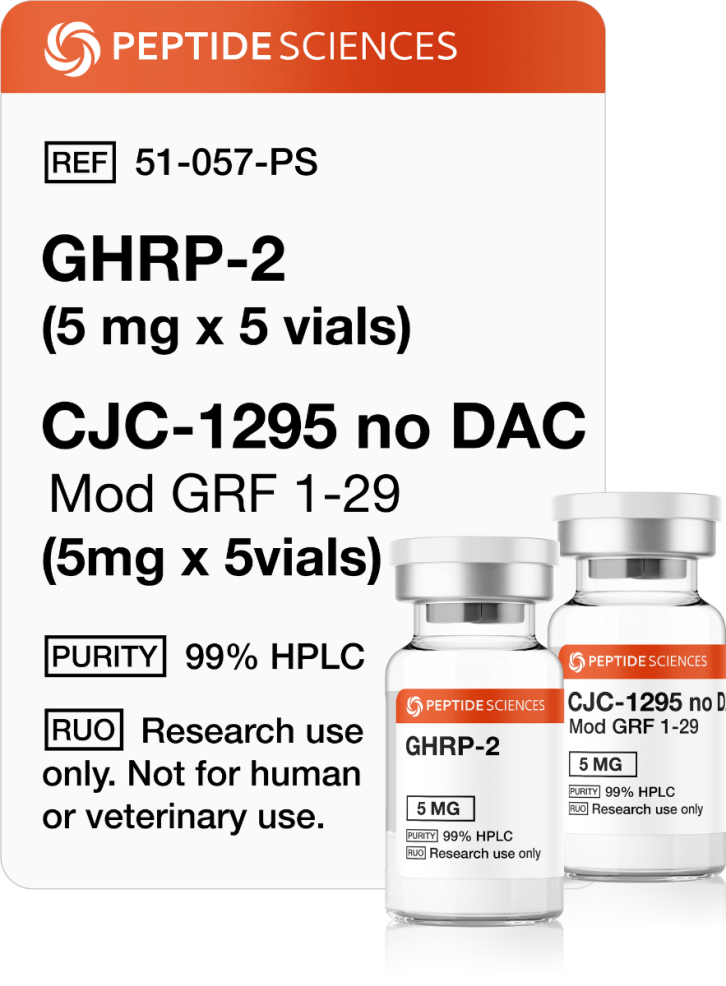
CJC-1295 No DAC, also commonly associated with Modified GRF (1-29), is another important compound within growth hormone peptide research.
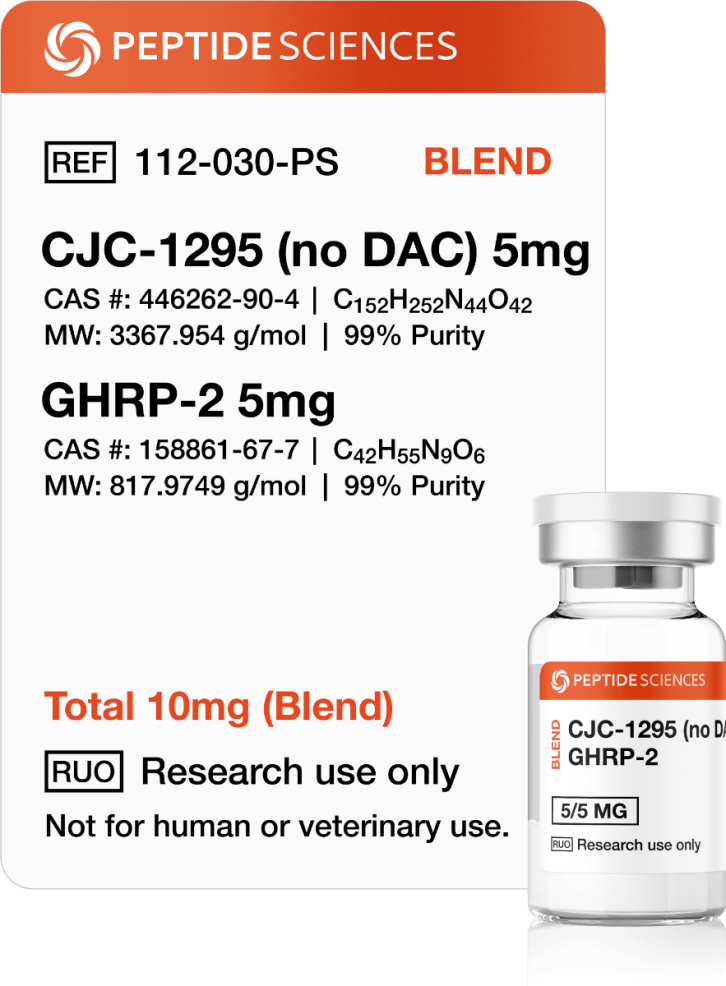
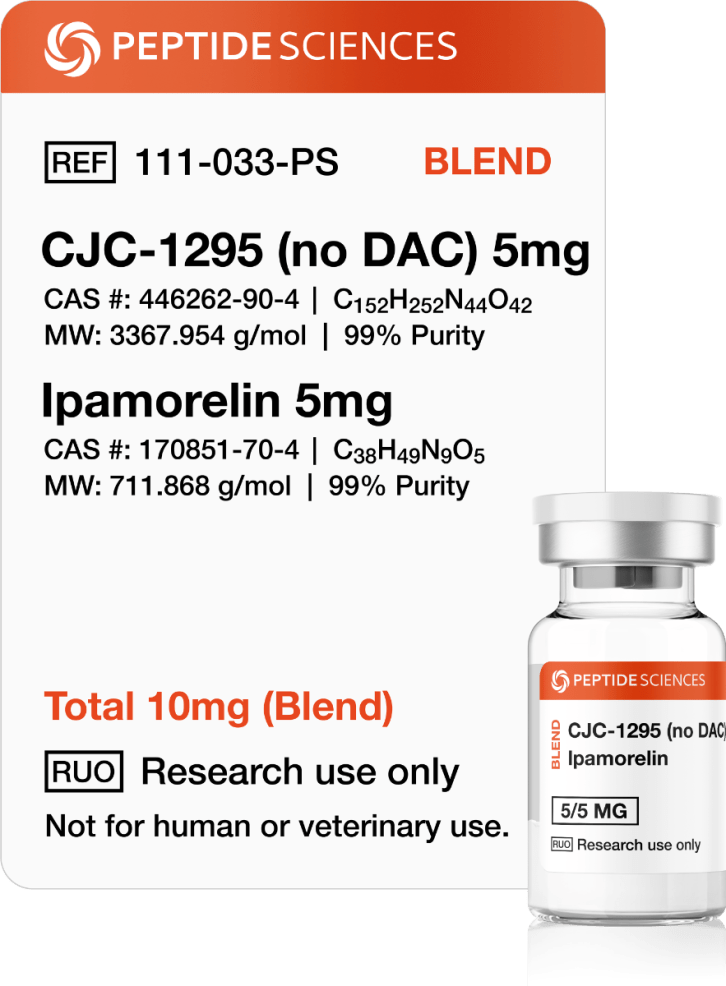
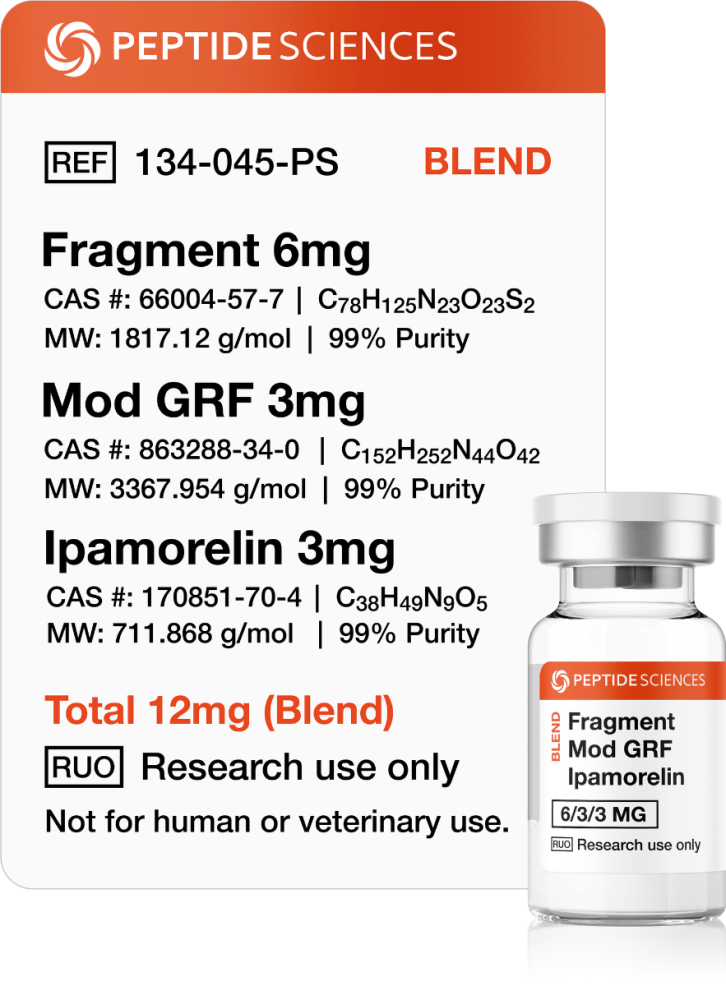
Researchers interested in combined receptor signaling can explore formulations such as Mod GRF & Ipamorelin 10mg Blend.
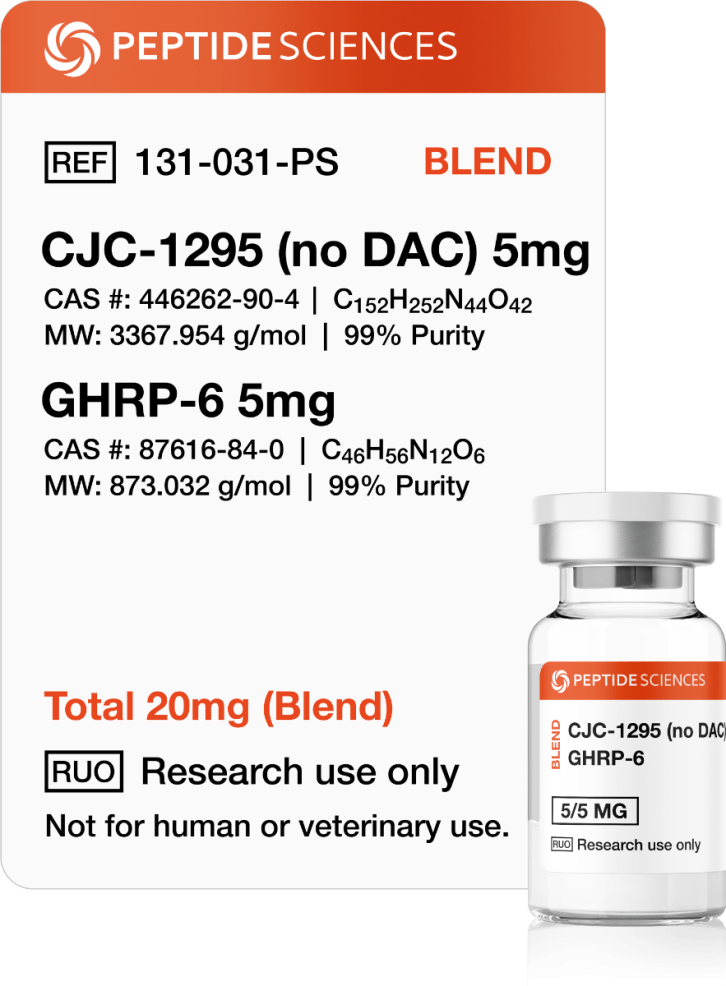
The category also contains research formulations combining Modified GRF with other growth hormone secretagogues, allowing laboratories to examine interactions between GHRH-receptor and GHS-R signaling pathways.
Growth Hormone Peptide Blends
One of the strongest features of the Peptide Sciences Growth Hormone Peptides collection is the variety of multi-peptide research blends available.
For example, researchers can explore Sermorelin & Ipamorelin 10mg Blend, which combines two compounds associated with different receptor systems involved in growth hormone signaling.
Additional formulations include Sermorelin & GHRP-6 10mg Blend and Sermorelin & GHRP-2 10mg Blend.
Researchers requiring more complex experimental combinations can also investigate Sermorelin, GHRP-6 & GHRP-2 9mg Blend.
Tesamorelin Combination Peptides
Tesamorelin is also available in combination research formulations. The Tesamorelin & Ipamorelin 8mg Blend provides one example of a dual-peptide research formulation.
For laboratories studying several endocrine pathways simultaneously, the Tesamorelin, CJC-1295 No DAC & Ipamorelin 12mg Blend provides another experimental option.
Mod GRF, Ipamorelin & GHRP Research
Researchers examining receptor cooperation can also explore Mod GRF, Ipamorelin & GHRP-2 Blend.
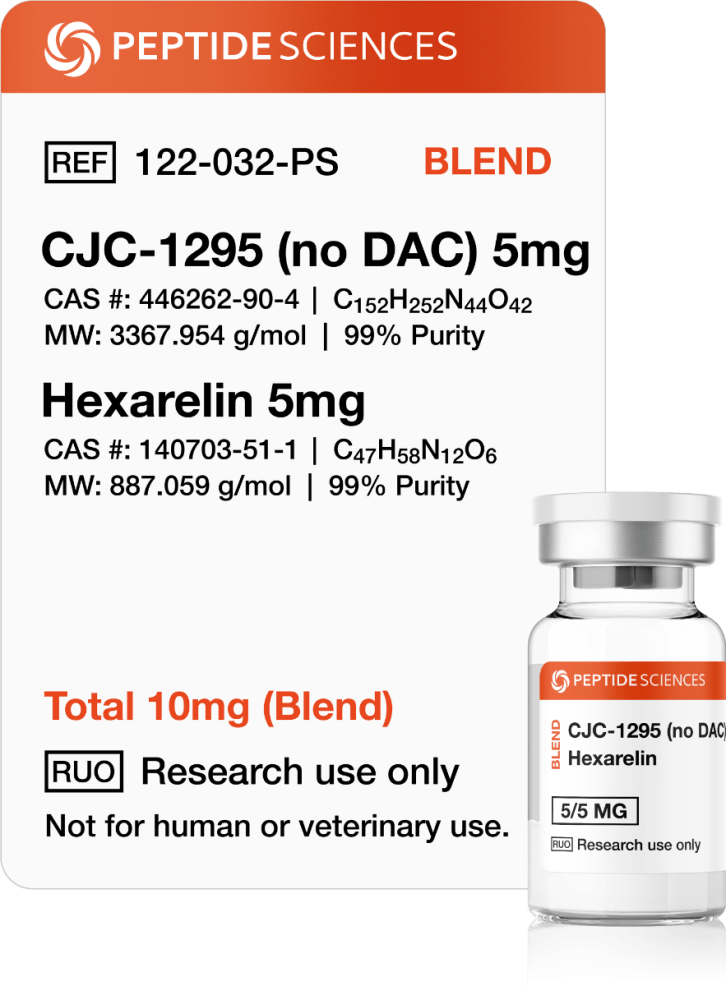
Another available combination pairs Modified GRF with Hexarelin, providing a model for research involving GHRH-associated signaling alongside growth hormone secretagogue receptor activation.
These multi-compound research formulations can help laboratories investigate how separate signaling pathways behave individually and in combination under controlled conditions.
Growth Hormone Peptide Research Applications
Depending on the peptide and experimental model, growth hormone peptides may be investigated in areas including:
- Growth hormone-releasing hormone signaling
- Pituitary somatotroph function
- Growth hormone secretagogue receptor research
- Ghrelin-associated signaling pathways
- Growth hormone secretion mechanisms
- Pulsatile endocrine signaling
- IGF-1-associated pathways
- Hypothalamic-pituitary communication
- Endocrine feedback mechanisms
- Intracellular cAMP signaling
- Receptor cooperation and peptide synergy
- Somatotropic-axis research
- Metabolic endocrine signaling
The correct compound depends on the hypothesis and design of the experiment. Researchers should evaluate molecular sequence, concentration, formulation, receptor target, available analytical documentation, scientific literature, and appropriate controls before selecting research materials.
Individual Growth Hormone Peptides vs Peptide Blends
Individual peptides are particularly useful when researchers need to isolate a specific receptor or signaling pathway. Multi-peptide blends provide a different experimental model by allowing several signaling mechanisms to be examined together.
For example, Sermorelin and Modified GRF are associated primarily with GHRH-receptor research, while peptides such as Ipamorelin, GHRP-2, GHRP-6, and Hexarelin are associated with growth hormone secretagogue receptor pathways.
Studying these compounds individually and comparatively can provide researchers with a more complete model of growth hormone-related endocrine signaling.
Why Choose Peptide Sciences for Growth Hormone Peptides?
Peptide Sciences offers one of the broadest categories in our research catalog for laboratories investigating growth hormone and endocrine signaling. Researchers can compare multiple concentrations, individual compounds, and multi-peptide blends without leaving the same research category.
Product pages provide additional information about each compound and formulation. Researchers should review available specifications, concentration details, analytical information, storage requirements, and relevant scientific literature before beginning an experimental protocol.
Browse all Peptide Sciences research peptides to explore our complete selection of peptides, research blends, capsules, topical formulations, and specialized laboratory compounds.
Research Use Only: All growth hormone peptides and related compounds in this category are intended strictly for laboratory, analytical, identification, and scientific research. They are not intended for human or animal consumption, medical use, diagnosis, treatment, prevention of disease, hormone replacement, or therapeutic use.