Melanotan Peptides for Pigmentation & Melanocortin Research
Explore our collection of Melanotan peptides for laboratory research involving melanogenesis, melanocortin receptor signaling, pigmentation pathways, cAMP-mediated signal transduction, neuroendocrine mechanisms, and experimental UV-response models.
At Peptide Sciences, researchers can compare Melanotan 1, Melanotan 2, and related melanocortin research peptides across multiple concentrations and research formats.
All compounds in this category are supplied strictly for scientific, analytical, identification, and laboratory research purposes.
What Are Melanotan Peptides?
Melanotan peptides are synthetic analogs associated with the melanocortin peptide system. They are commonly investigated in controlled laboratory models examining melanocortin receptors, receptor-binding characteristics, intracellular signaling, melanocyte biology, pigmentation-associated pathways, and neuroendocrine communication.
The melanocortin receptor family includes several receptor subtypes with different distributions and biological signaling roles. Because individual Melanotan-related compounds display different receptor profiles, they provide researchers with useful tools for comparing melanocortin signaling mechanisms.
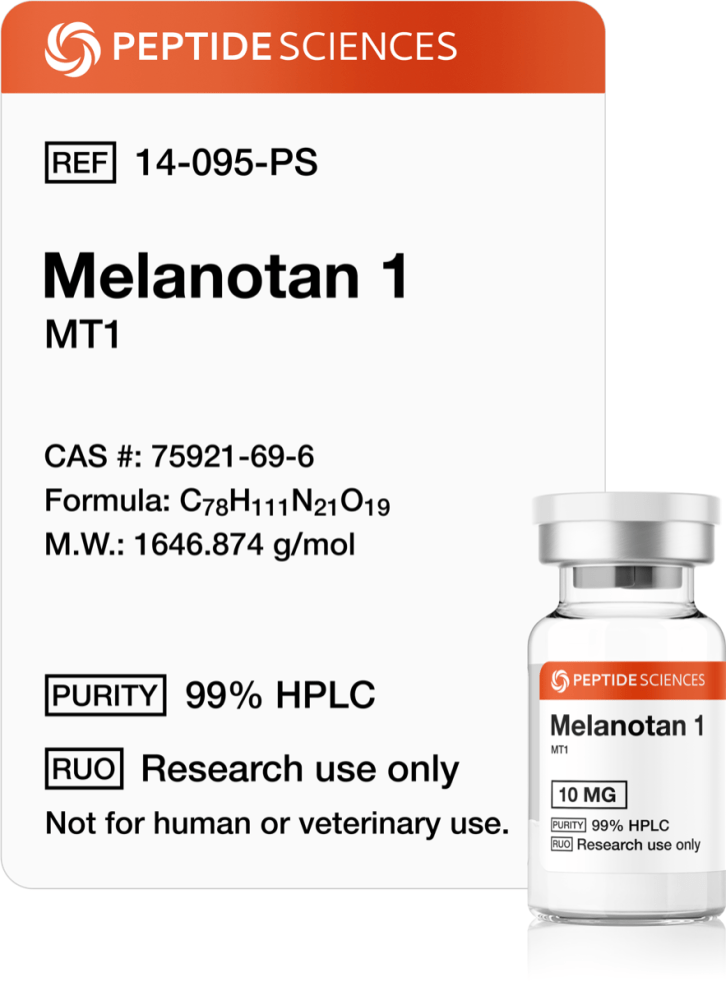
Melanotan 1 (MT1) Research
Melanotan 1 (MT1) 10mg provides a research model for investigations involving pigmentation biology and melanocortin-associated signaling.
Laboratory research involving MT1 may examine melanocortin receptor interactions, melanocyte-associated pathways, intracellular cyclic AMP signaling, pigment-associated gene expression, and other mechanisms involved in melanogenesis.
Researchers may also investigate cellular responses to controlled environmental or UV-related experimental conditions while examining how melanocortin signaling interacts with pigmentation-associated biological processes.
Melanotan 2 (MT2) Research
Melanotan 2, also known as MT2 or MT-II, is a synthetic cyclic peptide derived from research surrounding alpha-melanocyte-stimulating hormone and the melanocortin system.
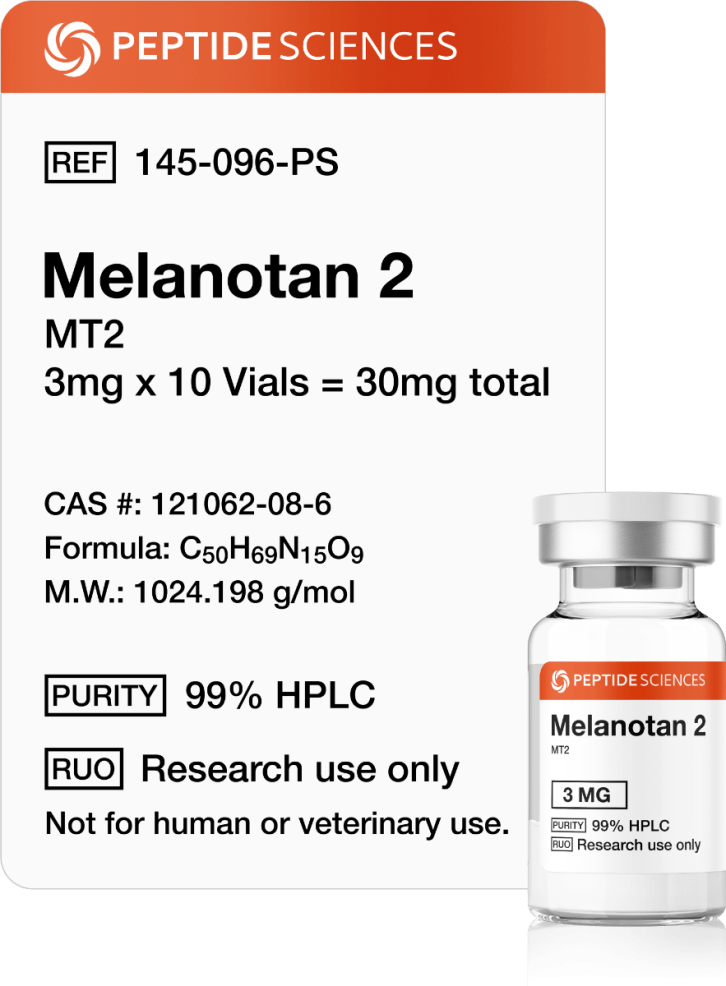
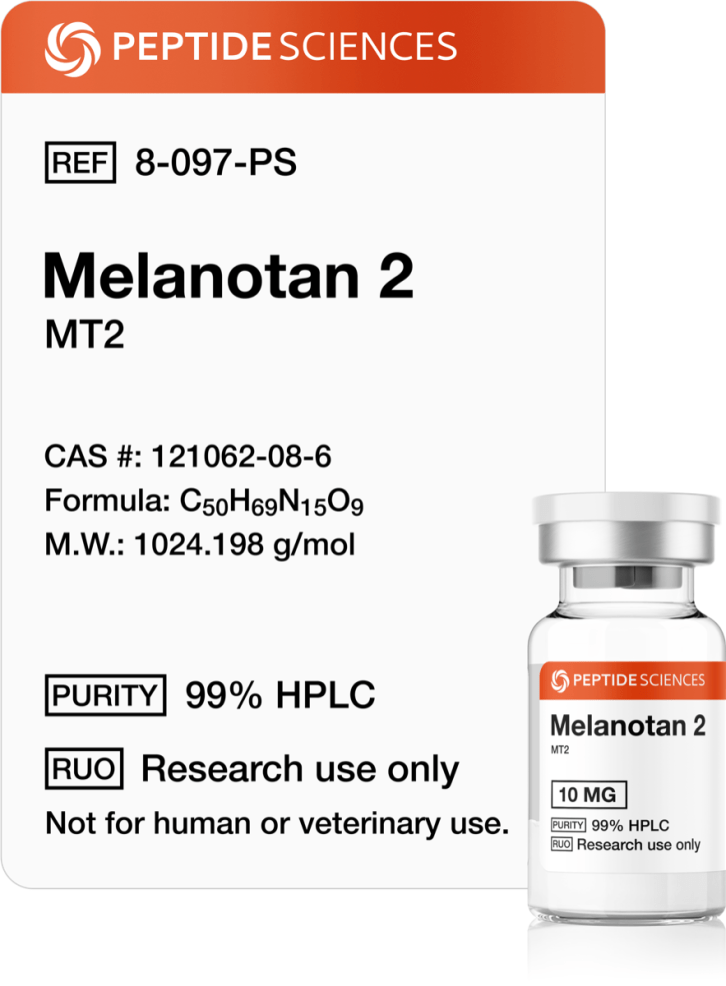
Researchers can explore Melanotan 2 (MT2) 10mg or the larger Melanotan 2 – 3mg × 10 Vials (30mg) research format.
MT2 is especially useful as a laboratory tool because its research extends beyond pigmentation alone. Its interaction with multiple melanocortin receptor subtypes allows investigators to study receptor pharmacology, GPCR-mediated signaling, ligand-binding characteristics, intracellular cAMP responses, and broader neuroendocrine pathways.
Melanotan 1 vs Melanotan 2
Although MT1 and MT2 are both associated with melanocortin research, they should not be treated as interchangeable compounds.
Melanotan 1 can provide a more focused model for investigating pigmentation-associated melanocortin signaling, while Melanotan 2 is commonly used in broader experimental models because of its activity across multiple melanocortin receptor subtypes.
Comparative laboratory investigations can therefore examine differences in receptor affinity, signaling selectivity, cAMP activation, cellular response, and downstream molecular pathways.
Melanogenesis & Pigmentation Pathway Research
Melanogenesis is the biological process through which melanocytes produce melanin. This process involves multiple enzymes, receptors, transcription factors, and intracellular signaling pathways.
Melanotan peptide research may investigate areas including:
- Melanocortin receptor signaling
- MC1R-associated pathways
- Melanocyte cellular biology
- Melanin-associated signaling
- cAMP-mediated signal transduction
- Pigmentation-related gene expression
- Ligand-receptor binding
- GPCR signaling mechanisms
- Receptor desensitization
- Experimental UV-response biology
- Neuroendocrine melanocortin pathways
These represent areas of scientific investigation and should not be interpreted as claims that a research peptide provides tanning, sun protection, or any therapeutic benefit when used by humans or animals.
PT-141 & Melanocortin Receptor Research
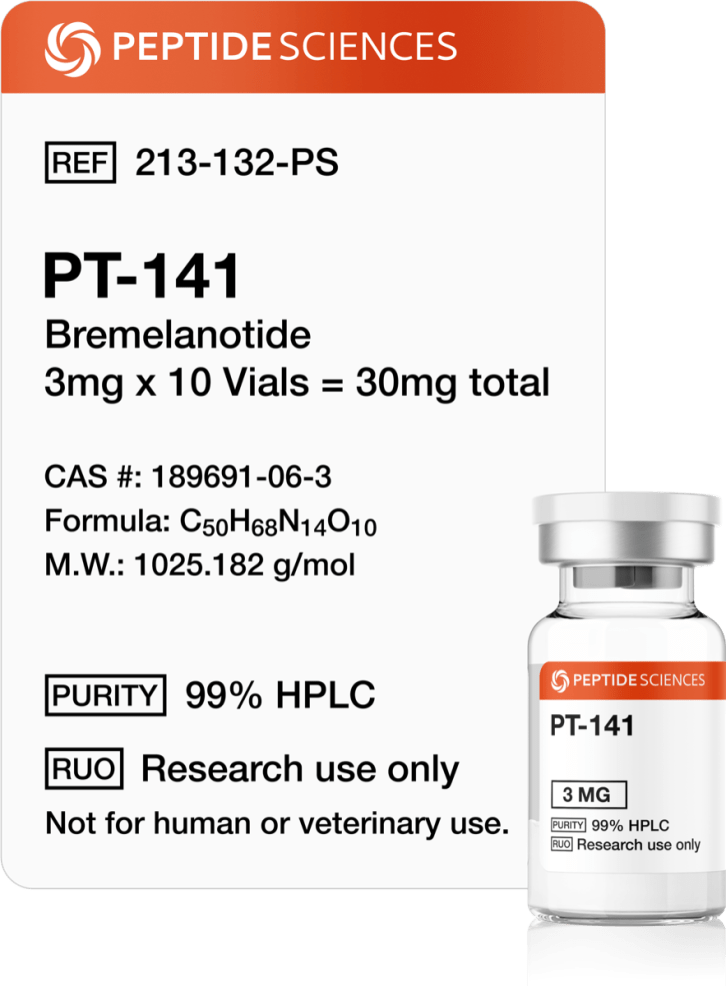
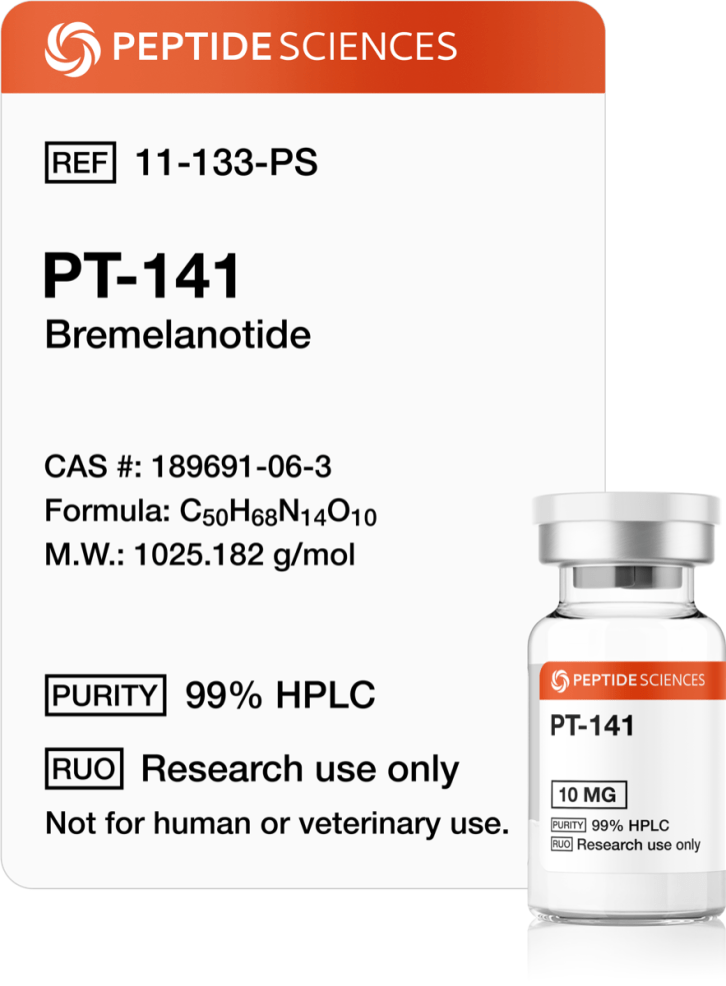
The Melanotan Peptides category also contains PT-141 10mg and PT-141 – 3mg × 10 Vials (30mg).
PT-141 belongs within the broader melanocortin research family but has a different experimental emphasis from MT1 and MT2. Rather than positioning PT-141 primarily as a pigmentation compound, researchers typically use it to investigate melanocortin-associated neuroendocrine and receptor-signaling mechanisms.
Keeping PT-141 within this category provides useful receptor-family context while allowing Melanotan 1 and Melanotan 2 to remain the primary compounds associated with pigmentation and melanogenesis research.
Melanocortin Receptor Signaling
The melanocortin system provides an important model for studying G-protein-coupled receptors and intracellular signaling networks.
Activation of melanocortin receptors can initiate downstream pathways involving adenylate cyclase and cyclic adenosine monophosphate (cAMP). Researchers can use Melanotan peptides to examine receptor activation, signal amplification, ligand selectivity, receptor internalization, desensitization, and downstream transcriptional responses.
Because different melanocortin receptor subtypes are associated with different tissues and signaling networks, the appropriate peptide depends on the specific hypothesis and experimental model.
Choosing a Melanotan Research Peptide
Researchers selecting between MT1, MT2, PT-141, or different research concentrations should consider the receptor pathway being investigated, experimental controls, concentration requirements, study duration, formulation, and analytical methods.
Relevant scientific literature and available product documentation should also be reviewed before incorporating a compound into an experimental protocol.
Why Choose Peptide Sciences for Melanotan Peptides?
Peptide Sciences organizes Melanotan and related melanocortin research compounds into a focused collection so researchers can compare different peptide sequences, receptor profiles, concentrations, and research formats.
Researchers should review available product specifications, batch information, analytical documentation, concentration, formulation, and appropriate storage requirements before beginning laboratory work.
Browse all Peptide Sciences research peptides to explore additional peptide categories, individual compounds, research blends, topical formulations, capsules, and specialized laboratory materials.
Research Use Only: All Melanotan peptides and related melanocortin compounds listed in this category are intended strictly for laboratory, analytical, identification, and scientific research. They are not intended for human or animal consumption, tanning, cosmetic application, medical use, diagnosis, treatment, prevention of disease, or therapeutic use.