Cosmetic Peptides for Dermal & Aesthetic Research Applications
Explore our collection of cosmetic peptides developed for laboratory research involving dermal signaling, extracellular matrix biology, pigmentation pathways, peptide-mediated cellular communication, and other molecular processes relevant to cosmetic and dermatological research.
At Peptide Sciences, researchers can access a diverse selection of topical research peptides representing multiple peptide sequences and signaling mechanisms. All compounds in this category are supplied strictly for scientific, analytical, and laboratory research.
Cosmetic Peptides for Laboratory Research
Cosmetic peptide research examines how short amino-acid sequences interact with cellular pathways associated with the appearance and structural characteristics of skin models. Depending on the peptide being investigated, experimental studies may focus on extracellular matrix signaling, fibroblast communication, pigmentation-associated pathways, peptide stability, topical delivery, or neuromuscular signaling mechanisms.
Our cosmetic peptide collection includes several specialized topical compounds that allow researchers to compare different peptide sequences under controlled experimental conditions.
Argireline, SNAP-8 & Syn-AKE Research Peptides
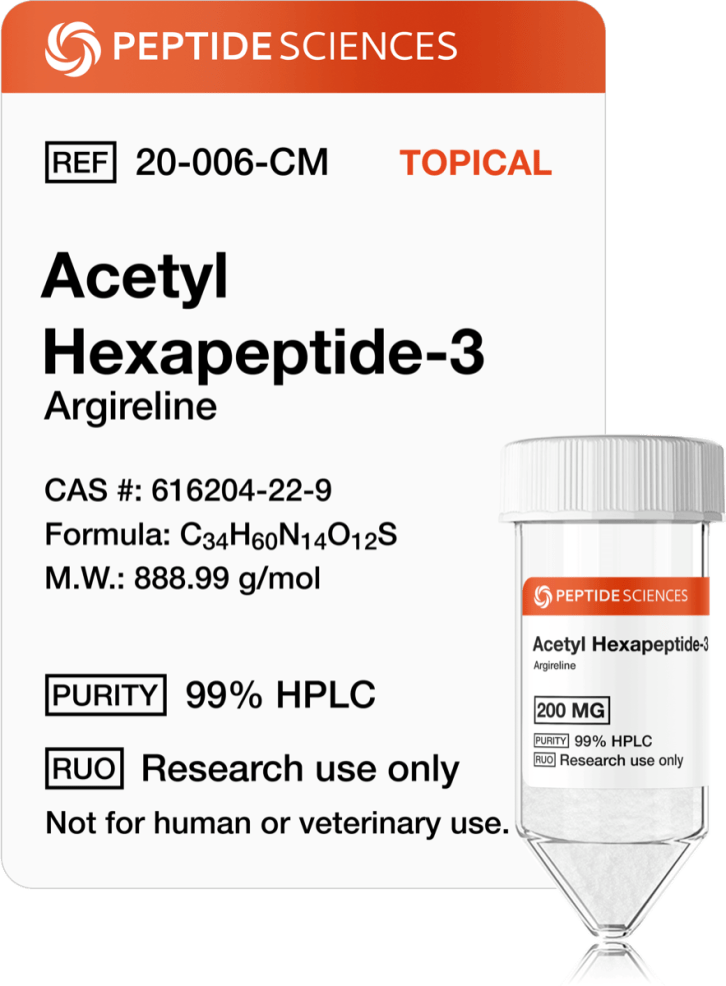
One of the best-known compounds within this category is Acetyl Hexapeptide-3 (Argireline) 200mg. This topical peptide is commonly investigated in experimental models involving peptide signaling and mechanisms associated with facial-expression-related skin appearance.
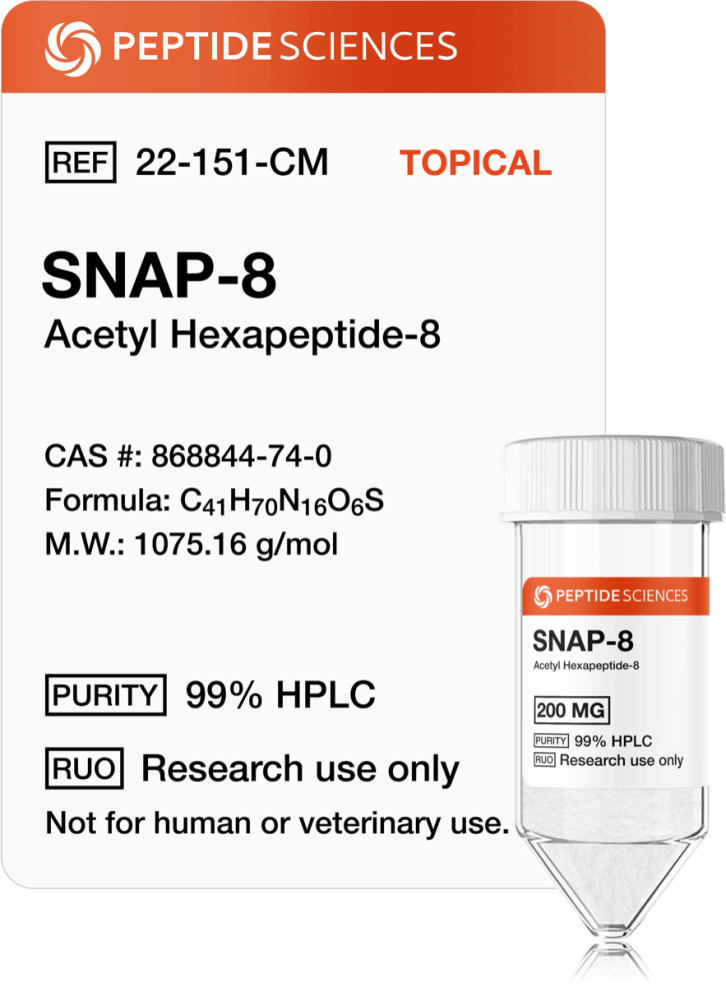
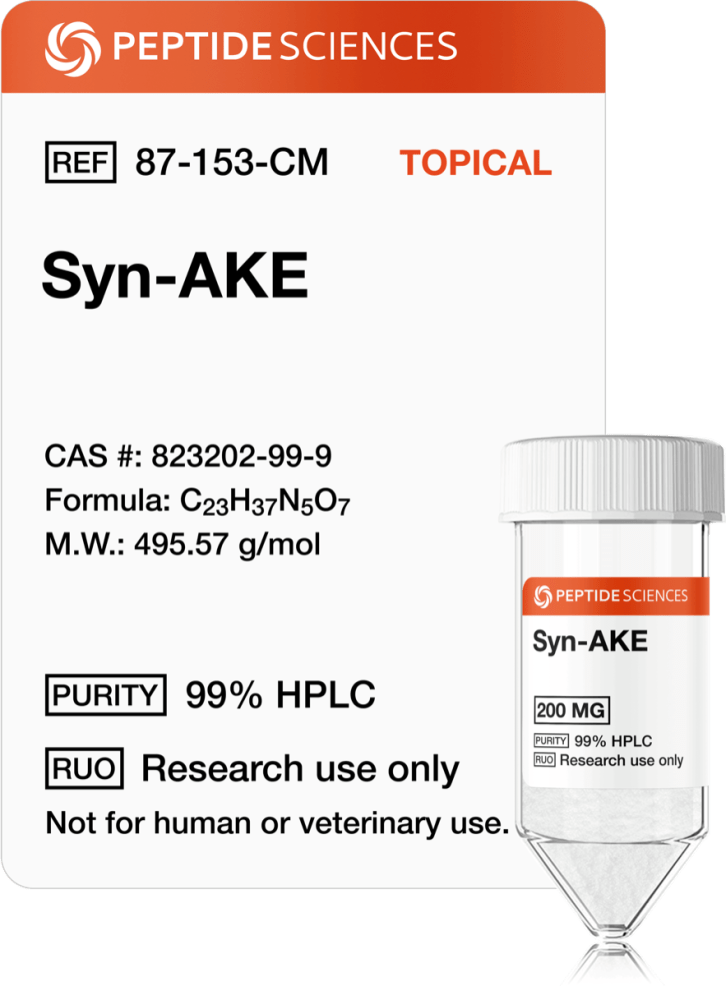
Researchers can also explore SNAP-8 200mg and Syn-AKE 200mg. These compounds provide additional models for studying synthetic peptide sequences and their interactions with signaling pathways relevant to cosmetic science.
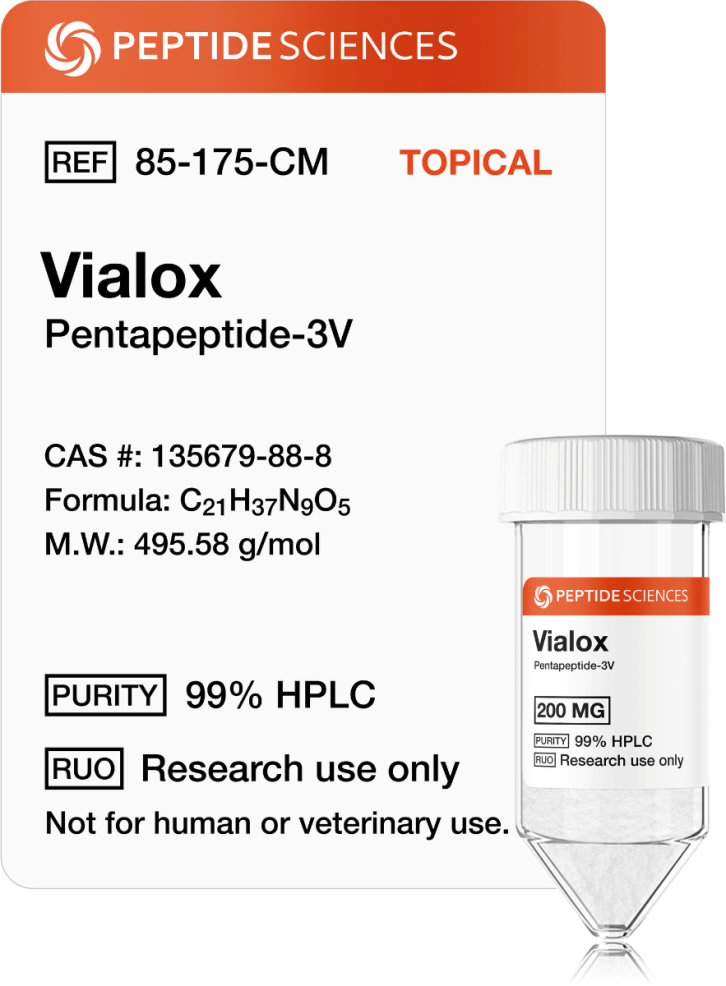
Vialox (Pentapeptide-3V) 200mg provides another specialized peptide sequence for comparative laboratory investigation.
Palmitoylated Cosmetic Peptides
Palmitoylated peptides represent another important area of cosmetic peptide research. Attaching a lipid component such as palmitic acid can alter properties including peptide stability and interaction with experimental membrane or topical-delivery models.
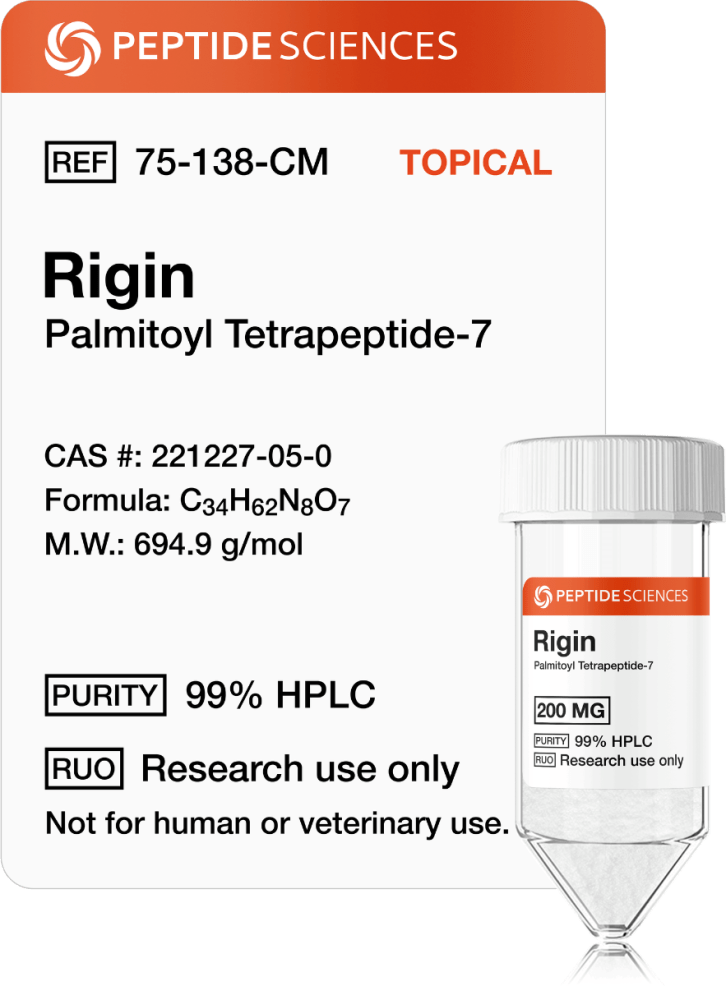
Researchers interested in this group can explore Rigin 200mg (Palmitoyl Tetrapeptide-7) and Palmitoyl Dipeptide-6 200mg.
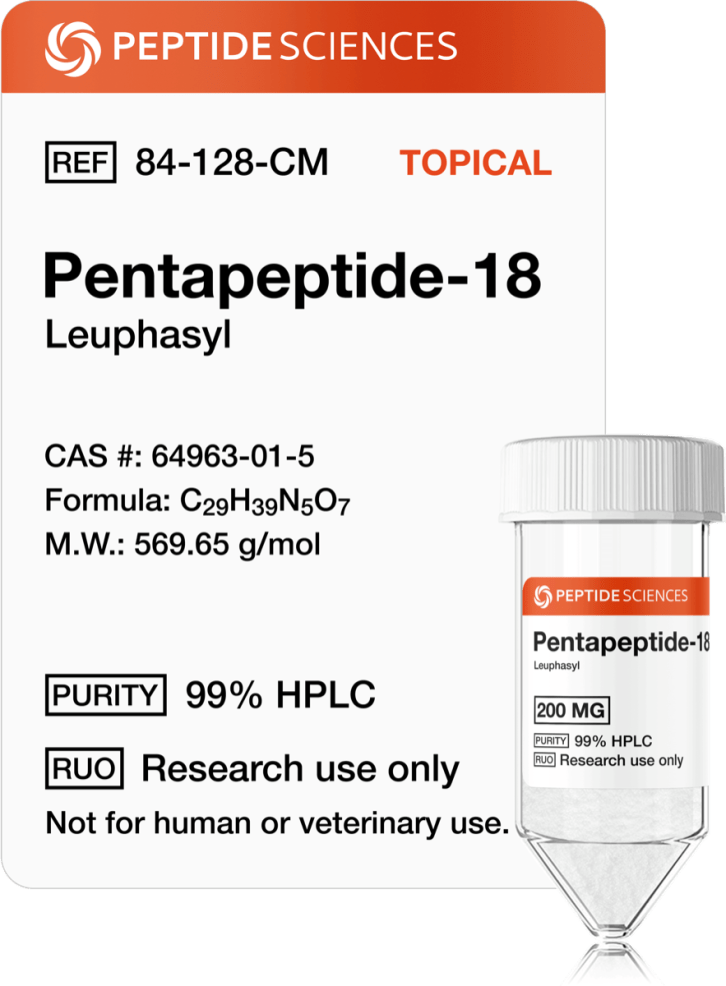
The collection also includes Pentapeptide-18 (Leuphasyl) 200mg, providing researchers with another peptide sequence for controlled cosmetic and dermatological research models.
Peptides for Pigmentation Research
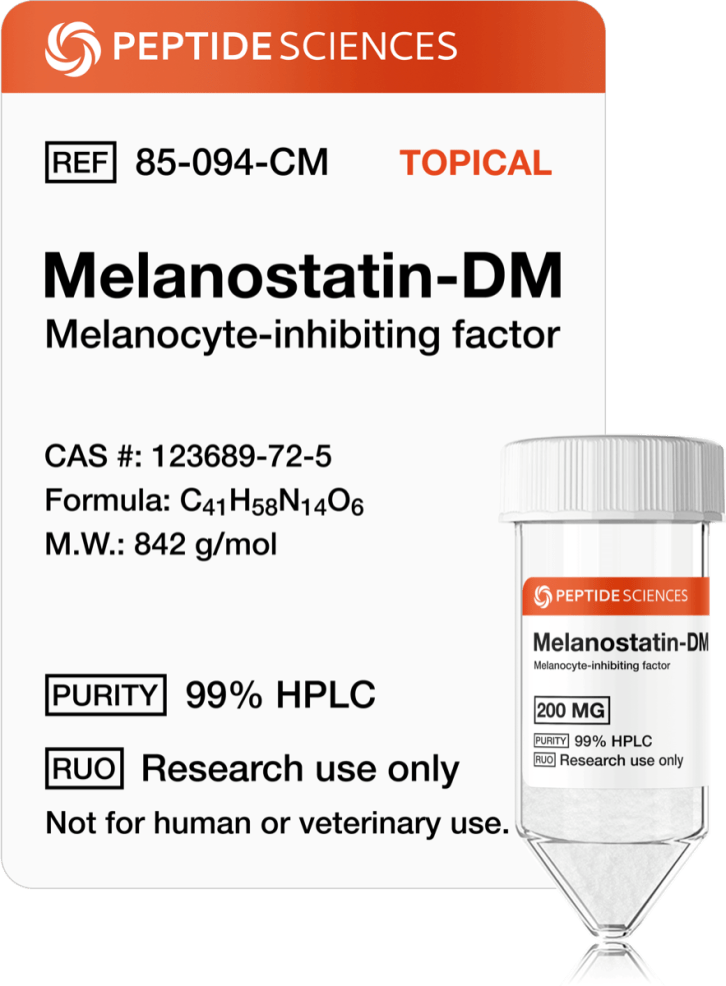
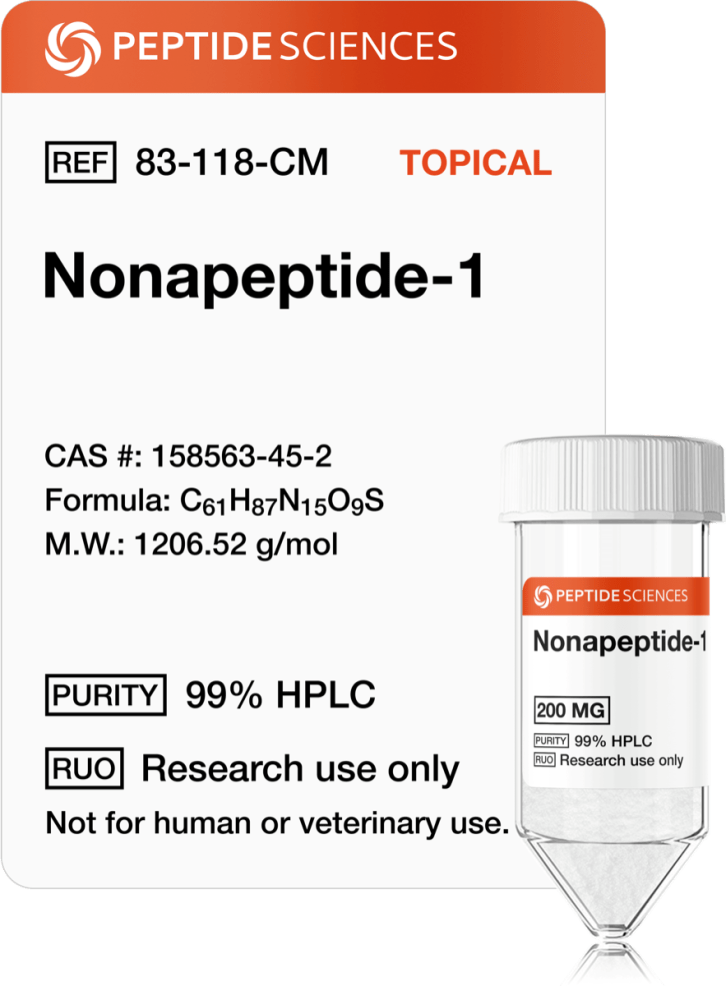
Cosmetic science also includes laboratory investigation of pathways associated with pigmentation and melanogenesis. Researchers studying these mechanisms can explore Nonapeptide-1 200mg and Melanostatin DM 200mg.
These compounds provide research models for investigating peptide interactions with pigmentation-associated cellular pathways without implying a clinical or cosmetic treatment outcome.
AHK & Copper Peptide Research
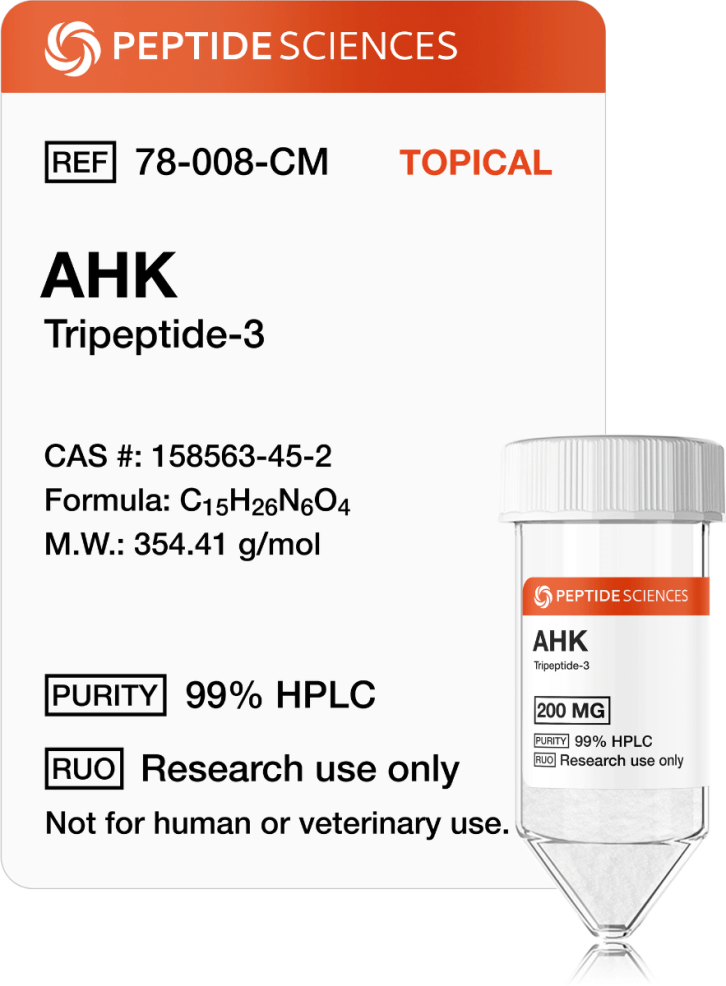
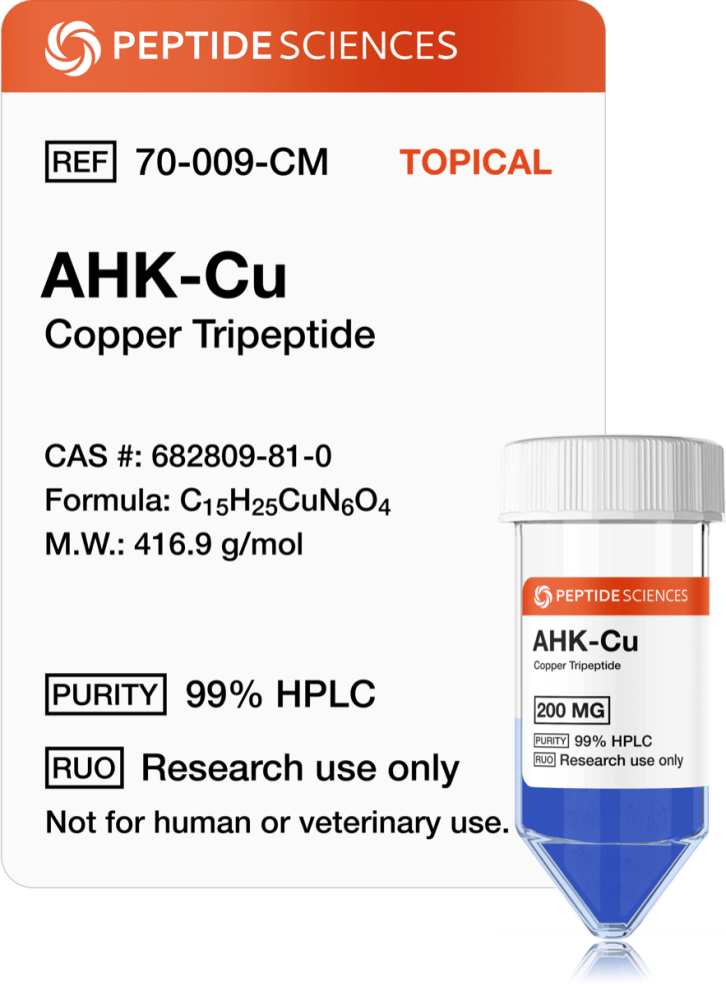
Researchers examining tripeptide signaling can compare AHK (Tripeptide-3) 200mg with AHK-Cu (Copper Tripeptide) 200mg.
The addition of copper creates a useful distinction for laboratory studies involving peptide-metal interactions, fibroblast-associated signaling, extracellular matrix research, and other biochemical pathways relevant to dermal research.
Decapeptide Research
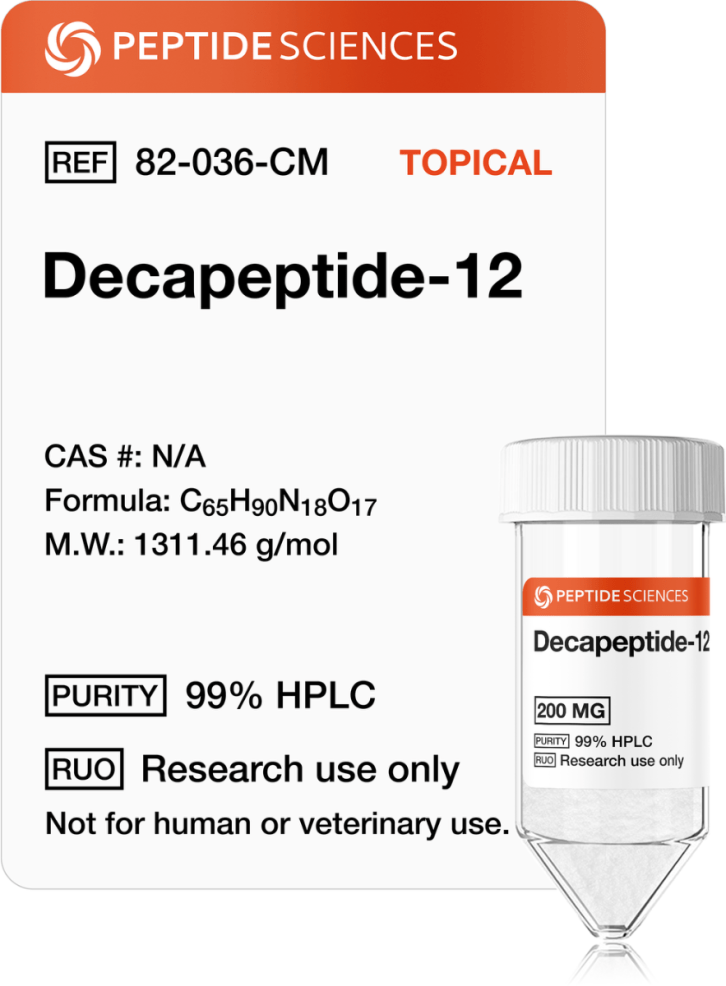
Decapeptide-12 is also available within the Peptide Sciences cosmetic peptide collection. Its distinct peptide sequence provides another option for researchers investigating cellular communication and pigmentation-associated molecular pathways.
Cosmetic Peptide Research Applications
Depending on the compound and experimental model, cosmetic peptides may be investigated in areas including:
- Dermal peptide signaling
- Extracellular matrix research
- Fibroblast-associated cellular communication
- Collagen-related signaling pathways
- Melanogenesis and pigmentation research
- Peptide-metal interactions
- Palmitoylated peptide research
- Topical peptide stability
- Experimental peptide delivery systems
- Neuromuscular signaling models
Researchers should select compounds according to the objectives of the study and review relevant scientific literature, concentration information, product specifications, analytical documentation, and storage requirements before beginning an experimental protocol.
Why Choose Peptide Sciences for Cosmetic Peptides?
Peptide Sciences offers researchers access to multiple cosmetic peptide sequences and topical formulations from one organized research catalog. This makes it easier to compare different compounds and identify materials appropriate for specific laboratory investigations.
Researchers interested specifically in extracellular matrix and structural-protein pathways can also explore our related collagen-focused compounds, while the complete Peptide Sciences catalog contains peptides covering numerous additional areas of biochemical research.
Browse all Peptide Sciences research peptides to explore our complete range of topical peptides, individual research compounds, peptide blends, capsules, and other laboratory materials.
Research Use Only: All cosmetic peptides listed in this category are intended strictly for laboratory, analytical, identification, and scientific research. They are not cosmetics or products intended for direct human or animal use and are not intended to diagnose, treat, cure, or prevent any disease.