Peptides for Healing & Tissue Repair Research
Explore our collection of peptides for healing research developed for laboratory investigations involving tissue-repair signaling, cellular migration, extracellular matrix biology, vascular pathways, connective-tissue models, inflammatory signaling, and other mechanisms associated with regenerative science.
At Peptide Sciences, researchers can compare individual compounds such as BPC-157 and TB-500 with specialized peptide blends and additional research molecules relevant to cellular repair and tissue-response studies.
All products within this category are supplied strictly for scientific, analytical, identification, and laboratory research purposes.
What Are Peptides for Healing Research?
Peptides for healing is a broad research term covering peptide compounds investigated for their interactions with molecular pathways involved in tissue response, cellular migration, vascular signaling, extracellular matrix remodeling, inflammatory mechanisms, and structural biology.
Different peptides act through different molecular targets. For that reason, BPC-157, TB-500, SS-31, LL-37, B7-33, and ARA-290 should not be treated as interchangeable compounds simply because they appear within the same research category.
The appropriate peptide depends on the biological pathway, experimental model, concentration requirements, analytical method, and hypothesis being investigated.
BPC-157 Research Peptides
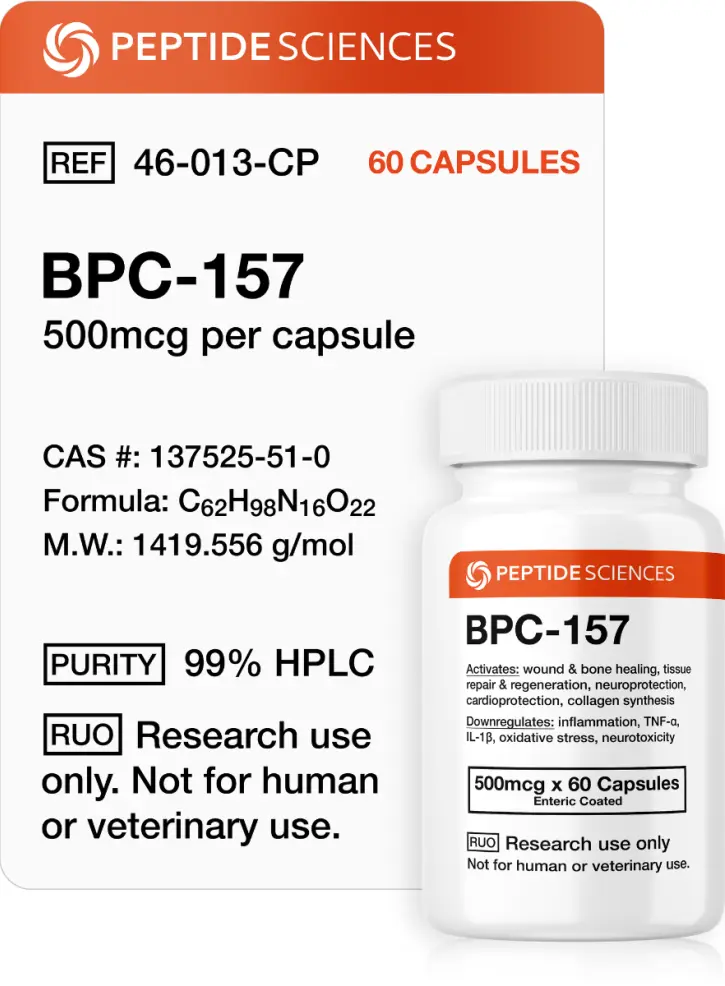
BPC-157 is one of the central compounds within tissue-repair peptide research. It is a pentadecapeptide studied in experimental models involving cellular signaling, vascular pathways, connective-tissue biology, nitric-oxide-associated mechanisms, and cellular responses to experimental injury or stress.
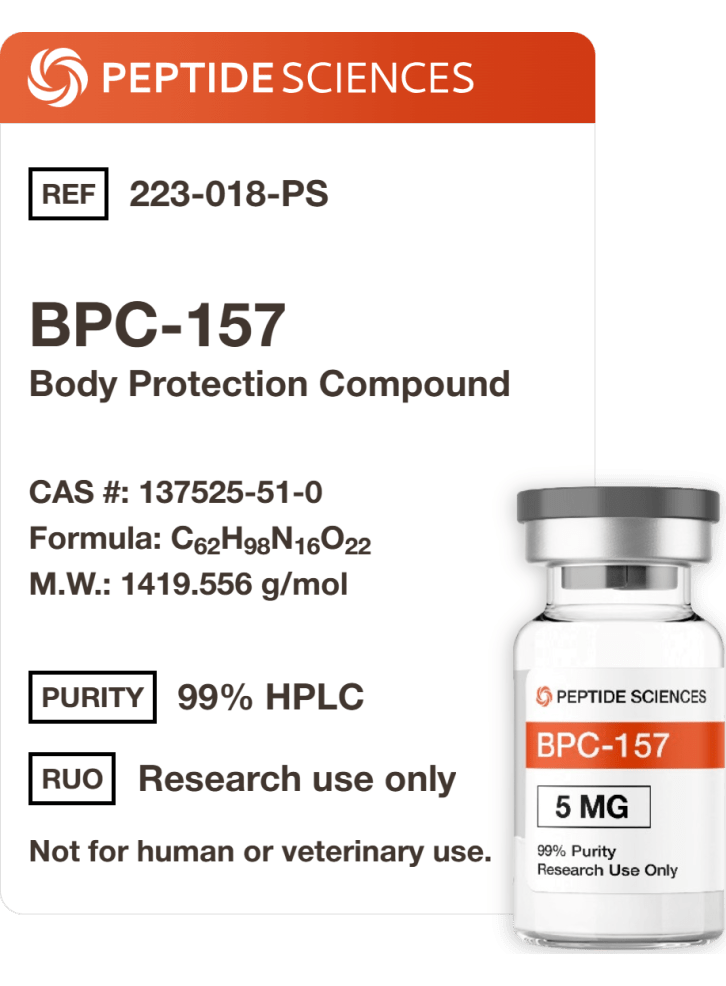
Researchers can compare several BPC-157 formats within the Peptide Sciences catalog, including BPC-157 5mg, BPC-157 10mg, and BPC-157 15mg.
Standalone BPC-157 formulations are particularly useful when researchers want to isolate a single peptide rather than investigate the interactions of several compounds within one experimental model.
TB-500 & Thymosin Beta-4 Research
TB-500 and Thymosin Beta-4 represent another major research group within this category. Thymosin Beta-4 is associated with actin biology, cytoskeletal organization, cellular migration, endothelial signaling, and other molecular mechanisms relevant to tissue-response research.
Available research formats include TB-500 (Thymosin Beta-4) 2mg, TB-500 (Thymosin Beta-4) 5mg, and TB-500 (Thymosin Beta-4) 10mg.
The category also includes TB-500 Fragment (17-23) 10mg, allowing researchers to compare a shorter peptide fragment with full-length Thymosin Beta-4 research formats.
BPC-157 & TB-500 Research Blends
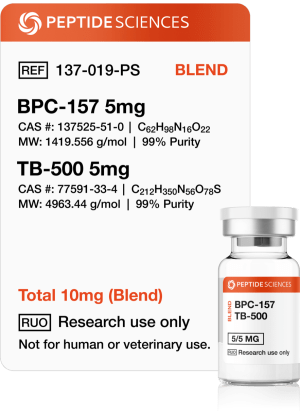
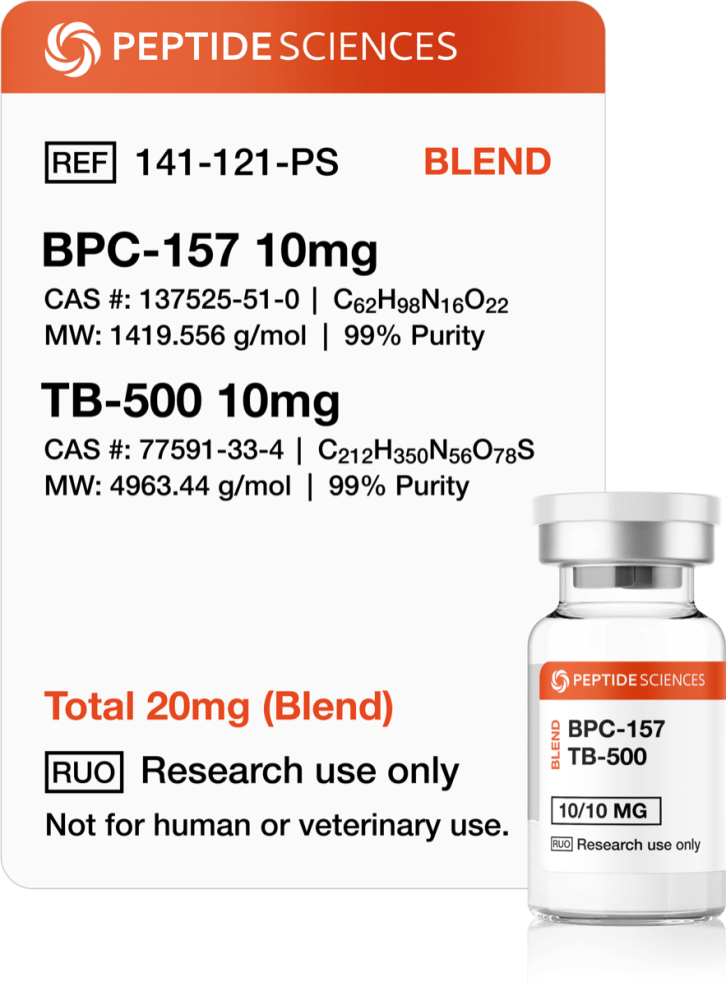
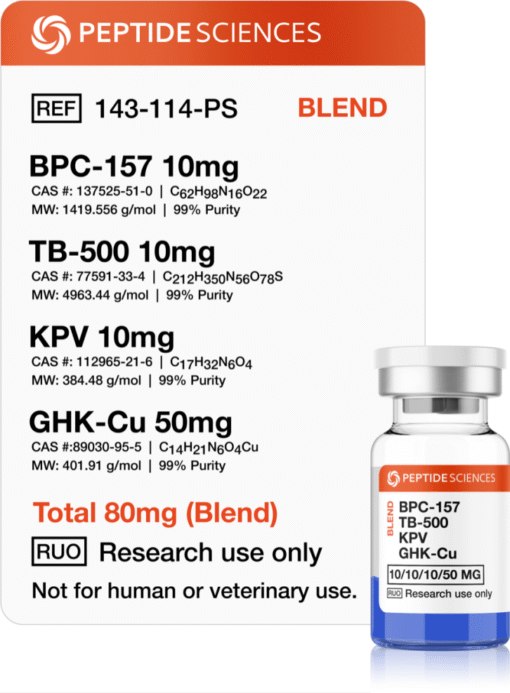
Researchers examining multiple tissue-associated signaling mechanisms can also explore combined formulations containing both BPC-157 and TB-500.
Available options include the BPC-157 & TB-500 10mg Blend and BPC-157 & TB-500 20mg Blend.
These formulations provide a different experimental model from studying either peptide individually. Researchers may use them when investigating interactions between pathways associated with cellular migration, cytoskeletal activity, vascular signaling, connective-tissue biology, and extracellular environments.
SS-31 & Mitochondrial Research
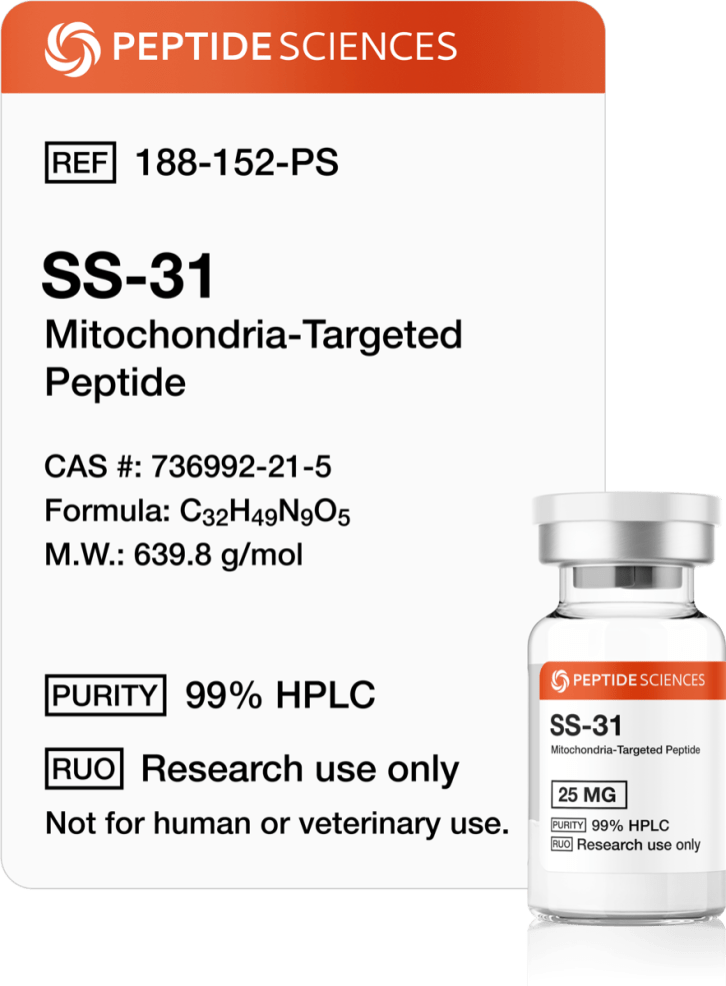
SS-31 25mg expands the category into mitochondrial and cellular-energy research.
SS-31 is studied in experimental systems involving mitochondrial membranes, oxidative processes, cellular bioenergetics, and cellular responses to metabolic stress.
This provides a different perspective on tissue-repair research by allowing investigators to examine the relationship between mitochondrial biology and cellular response mechanisms.
LL-37 Peptide Research
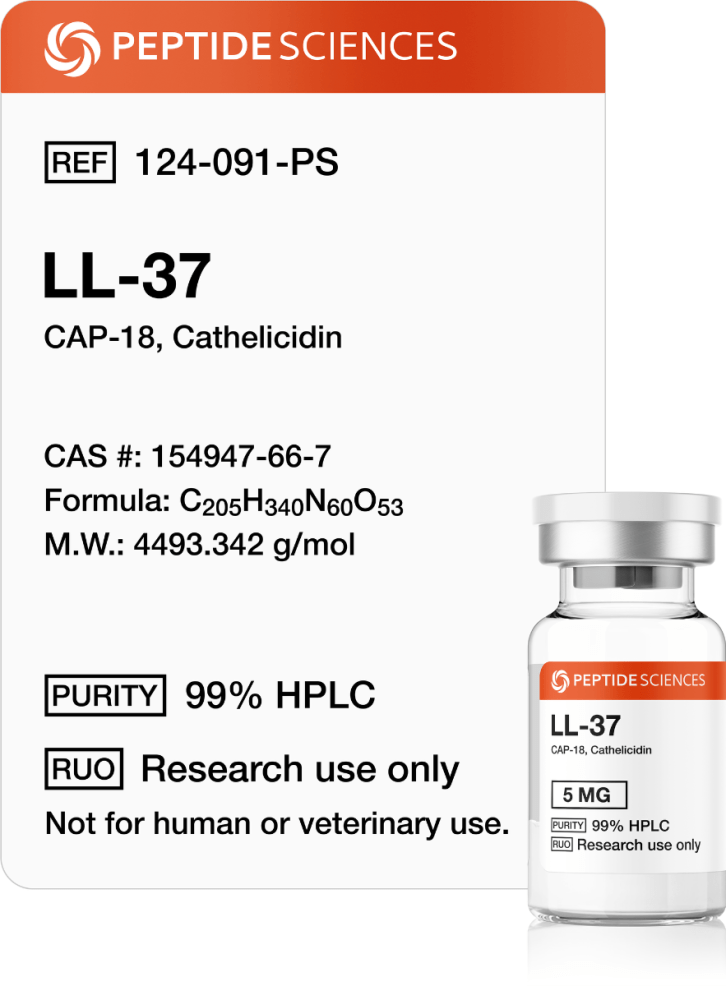
LL-37 5mg (CAP-18) provides another specialized research model within the category.
LL-37 is associated with studies involving innate immune signaling, epithelial biology, cellular defense pathways, inflammatory responses, membrane interactions, and wound-associated experimental models.
Its mechanisms are distinct from BPC-157 and TB-500, making LL-37 relevant to researchers studying the intersection between immune signaling and tissue-response biology.
B7-33 Relaxin Analog Research
B7-33 (Relaxin Analog) 6mg is a specialized peptide investigated in research involving relaxin-receptor signaling, extracellular matrix regulation, fibrosis-associated pathways, and tissue-remodeling mechanisms.
B7-33 therefore broadens this category beyond conventional BPC-157 and TB-500 research by providing another molecular pathway for regenerative and structural-biology investigations.
ARA-290 Research
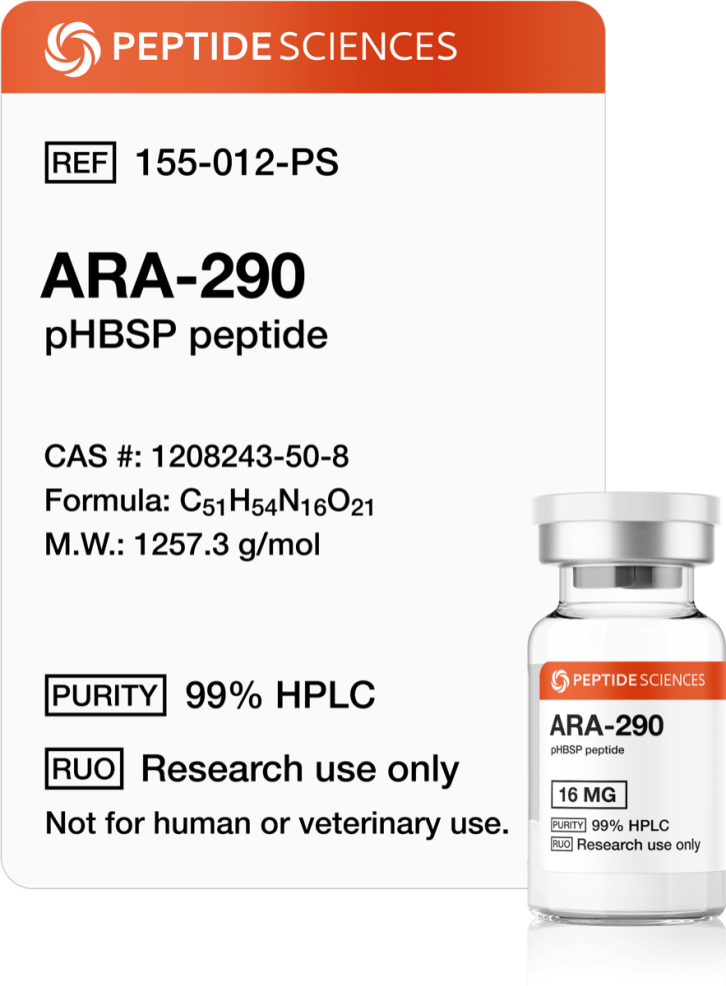
ARA-290 16mg is another compound available for specialized tissue-response research.
ARA-290 is investigated in experimental models involving innate repair receptor signaling, cellular stress responses, inflammatory pathways, and neuroimmune communication.
Its inclusion allows researchers to examine cellular-repair mechanisms from a different signaling perspective than structural or cytoskeletal peptides.
Research Applications for Healing Peptides
Depending on the compound and experimental model, peptides in this category may be studied in areas including:
- Cellular migration mechanisms
- Actin and cytoskeletal dynamics
- Extracellular matrix signaling
- Connective-tissue biology
- Fibroblast-associated pathways
- Endothelial and vascular signaling
- Angiogenesis-associated mechanisms
- Collagen-related research
- Inflammatory signaling
- Epithelial cellular biology
- Innate immune signaling
- Mitochondrial stress-response pathways
- Fibrosis-associated signaling
- Wound-repair experimental models
These are areas of scientific investigation rather than claims that any peptide heals an injury or treats a medical condition.
BPC-157 vs TB-500 for Research
BPC-157 and TB-500 are frequently grouped together in regenerative peptide research, but they represent different peptide sequences and molecular research pathways.
BPC-157 is commonly investigated in models involving vascular signaling, cellular communication, connective tissue, and nitric-oxide-associated mechanisms.
TB-500 / Thymosin Beta-4 is particularly relevant to actin regulation, cytoskeletal dynamics, cellular migration, and endothelial research.
Researchers can study each compound individually or use a combined BPC-157/TB-500 formulation when the experimental objective involves interactions between several pathways.
Why Choose Peptide Sciences for Healing Peptide Research?
Peptide Sciences provides researchers with a broad collection of compounds spanning several areas of tissue-response and regenerative science. The category includes individual peptides, multiple concentrations, peptide fragments, and multi-compound research blends.
Before incorporating any peptide into a study, researchers should review the individual product specifications, molecular sequence, concentration, formulation, available analytical documentation, storage requirements, scientific literature, and appropriate experimental controls.
Browse all Peptide Sciences research peptides to explore additional compounds for collagen research, immune signaling, growth hormone pathways, cognitive research, and other specialized laboratory applications.
Research Use Only: All peptides for healing and tissue-repair research listed in this category are intended strictly for laboratory, analytical, identification, and scientific research. They are not intended for human or animal consumption, injection, medical use, diagnosis, treatment, injury recovery, prevention of disease, or therapeutic use.